

Scientists Explore Gene Drive Technology to Combat Malaria

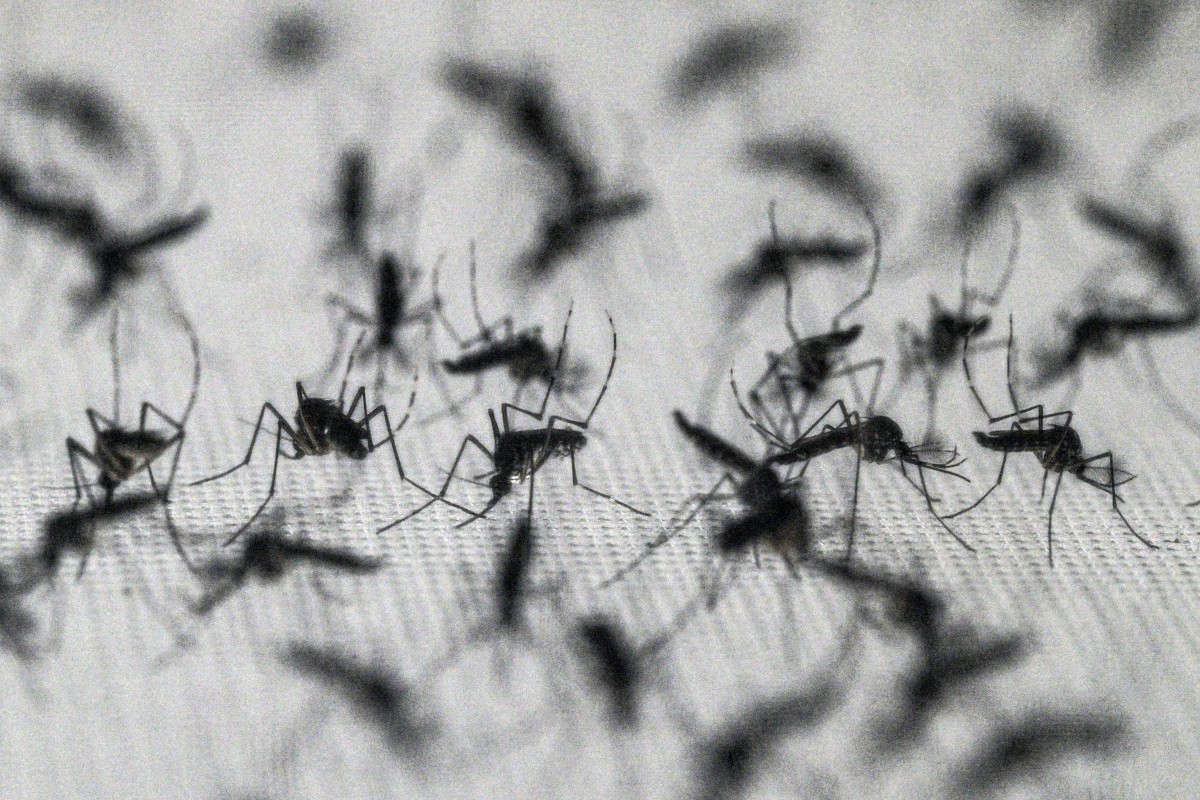
Scientists across Africa are investigating gene drive technology as a potential solution to reduce the population of malaria-carrying mosquitoes, which is crucial for meeting the African Union's target to eliminate malaria by 2030. Despite ongoing efforts, the continent remains off track, with significant challenges such as insecticide resistance and climate pressures contributing to a stagnation in progress.
The African Union reported that member states accounted for 270.8 million malaria cases, representing 96% of the global total, and 594,119 deaths, or 97% of global malaria fatalities. Dr. Martin Lukindu, a post-doctoral research associate focused on malaria in Uganda, cautioned that developing gene drive mosquitoes is a meticulous process requiring high laboratory control.
Current research is being conducted in Europe and the United States, with no gene drive mosquitoes being developed in Africa until safety studies are completed. The urgency for innovative solutions is underscored by the call from African heads of state at the 39th African Union summit for a new era of malaria financing.
Plus234Feed summary based on reporting from Punch Newspapers. Read the original report below.
Read full article
Continue on Punch Newspapers
Get the week in one email
Top stories, NPFL results, the naira — every Friday morning. Free, one email a week.
Related Stories
Eradicating Mosquitoes: Health Risks and Ecological Impact

Experts Stress Adaptive Strategies for Malaria Control

Nigeria Aims for 50% Malaria Reduction by 2030

Nigeria Launches New Malaria Strategy for 2026-2030

Nigeria's Malaria Prevalence Drops to 15% with New Plan

Lagos Reports Over 978,000 Malaria Cases in 2025
Get Plus234Feed on messaging apps
Same headlines, delivered where you already scroll.


