

Experts Stress Adaptive Strategies for Malaria Control

Medical experts, including Dr. Maxwel Kolawole, Program Director for the West Central Africa Region at Malaria Consortium, stress the importance of adaptive strategies in malaria control to combat evolving vectors and parasites. During a dissemination meeting in Abuja, Dr. Kolawole provided updates on Nigeria's National Malaria Elimination Program, highlighting recent state-level performance data.
He noted the relevance of the World Health Day theme, which calls for unity and stronger commitment to addressing public health challenges through scientific evidence. Stakeholders were urged to rely on scientific evidence and field experience to strengthen program implementation.
Dr. Nnena Ogbulafor from the NMEP discussed two key initiatives focusing on insecticide-treated net (ITN) campaign monitoring and evaluation in Ondo and Anambra states. Progress was noted, with Anambra State reporting a decline in malaria prevalence from 9% to 5% and an increase in ITN ownership from 27% in 2021 to 46.4% in 2025.
The meeting underscored the importance of community engagement in malaria control efforts.
Plus234Feed summary based on reporting from This Day. Read the original report below.
Read full article
Continue on This Day
Get the week in one email
Top stories, NPFL results, the naira — every Friday morning. Free, one email a week.
Related Stories
Stakeholders Advocate Research and Control to Combat Malaria
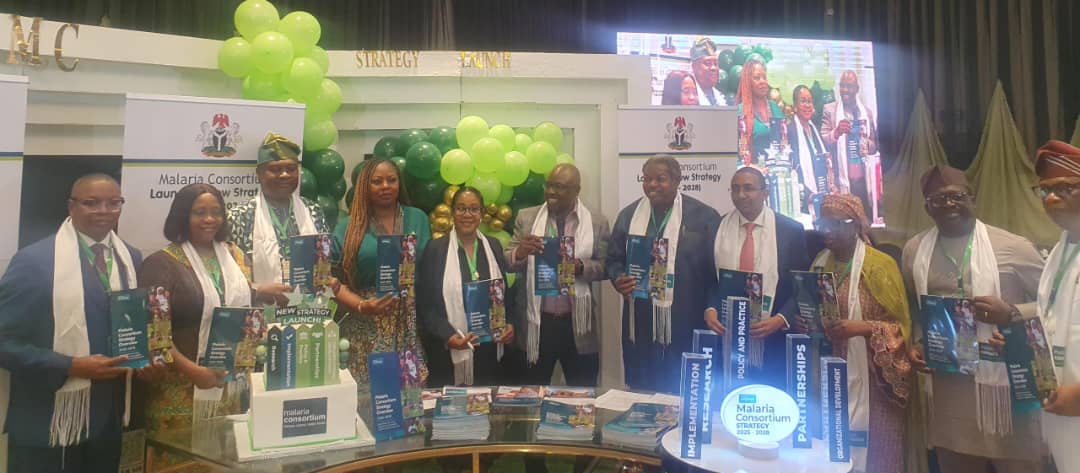
Nigeria Launches New Malaria Elimination Strategy 2028
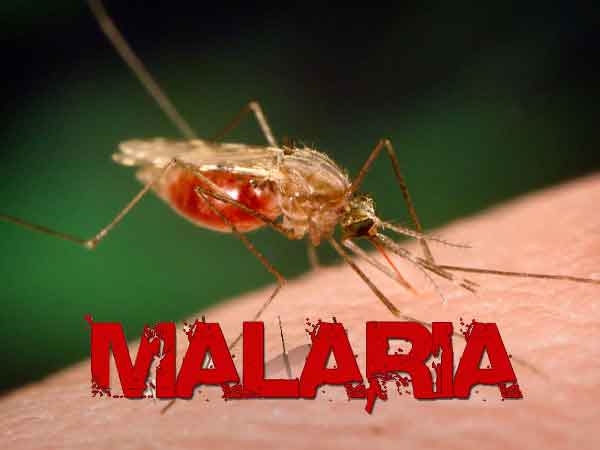
Scientists Explore Gene Drive Technology to Combat Malaria
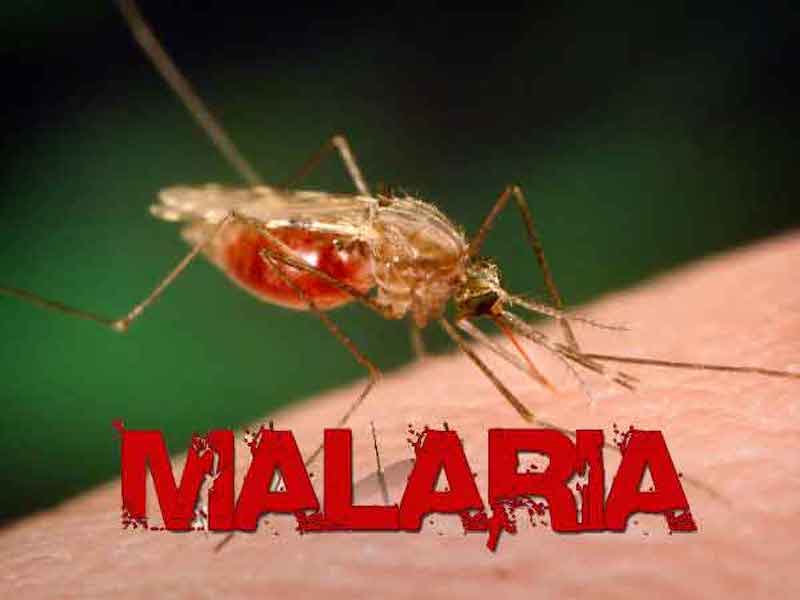
Nigeria's Malaria Prevalence Drops to 15% with New Plan
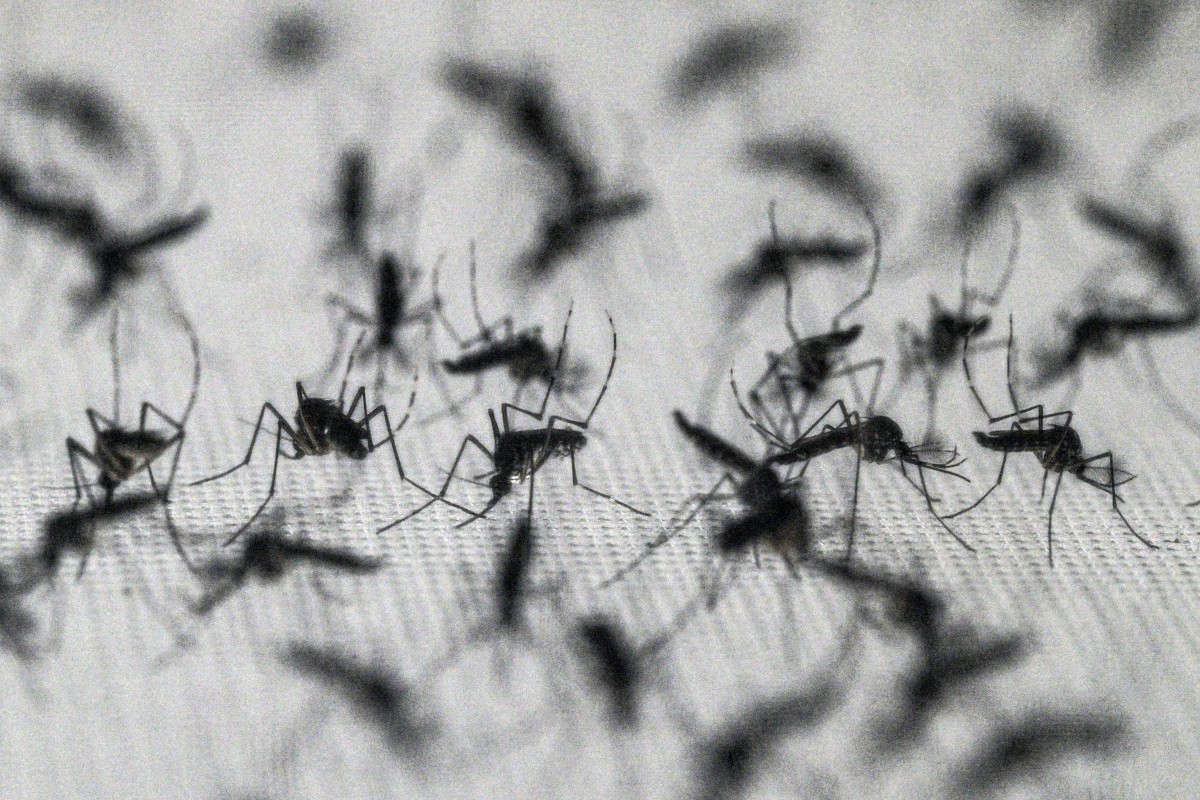
Eradicating Mosquitoes: Health Risks and Ecological Impact
Lagos Reports Over 978,000 Malaria Cases in 2025
Get Plus234Feed on messaging apps
Same headlines, delivered where you already scroll.


