

Low Voter Turnout Signals Crisis in Nigerian Democracy

The Abuja Municipal Area Council elections revealed a troubling voter turnout of just 7.9%, a stark indicator of the declining engagement in Nigeria's democratic processes. Nyesom Wike, the Federal Capital Territory Minister, expressed astonishment at this low turnout, which aligns with a broader trend observed since the controversial 2023 general elections when Bola Tinubu became president, with a turnout of only 26.7%.
Other states, such as Edo and Ondo, also reported low participation rates of 28.5% and less than 30%, respectively. The trend suggests a growing public disillusionment with the electoral process, attributed to perceived government failures in delivering essential services and infrastructure.
This apathy is seen as a form of protest against a system that many citizens view as ineffective and untrustworthy. The Independent National Electoral Commission (INEC) has faced criticism for its reliability, further undermining public confidence in the electoral process and contributing to the overall decline in voter turnout.
Plus234Feed summary based on reporting from This Day. Read the original report below.
Read full article
Continue on This Day
Get the week in one email
Top stories, NPFL results, the naira — every Friday morning. Free, one email a week.
Related Stories
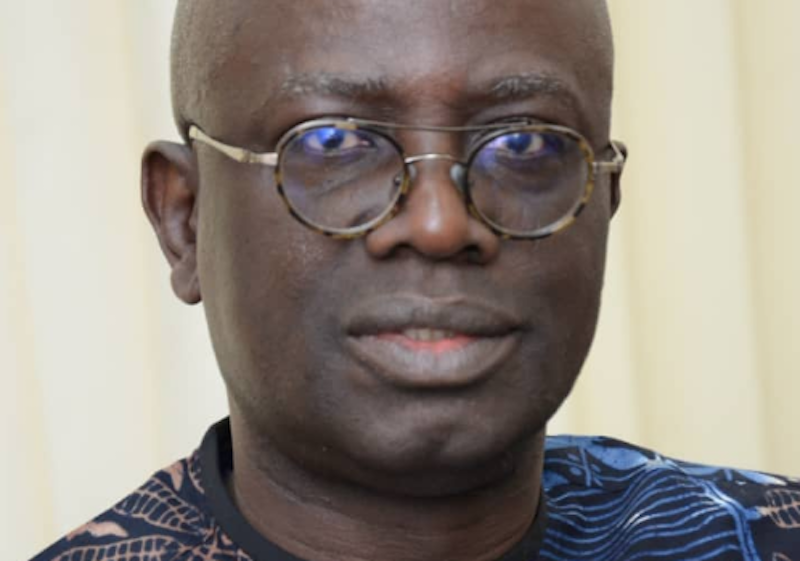
Low Voter Turnout in Abuja Elections Sparks Concern
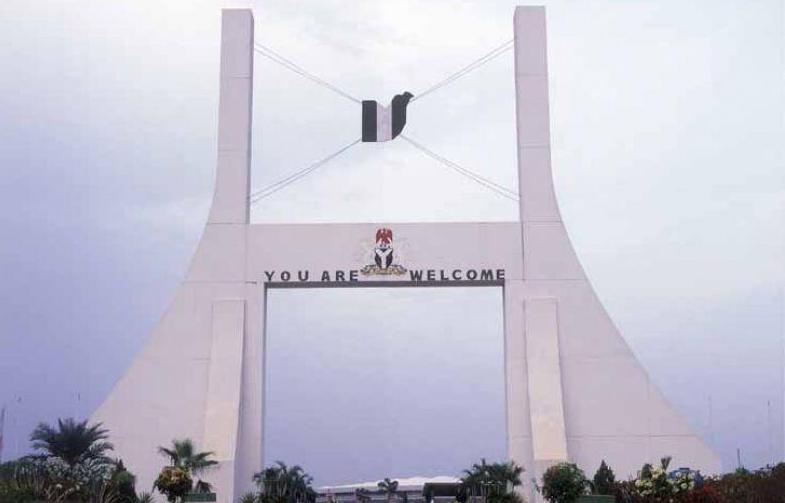
Voter Apathy Threatens Nigeria's Democratic Future
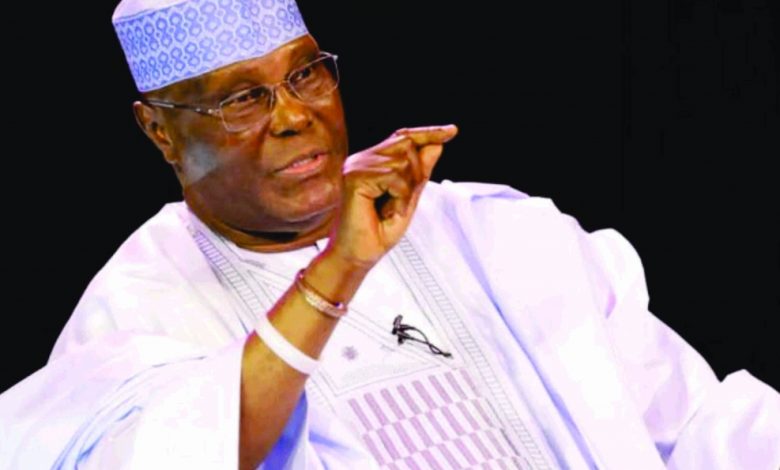
Atiku Warns Low Voter Turnout Threatens Nigerian Democracy
Low Voter Turnout in Abuja and Kano Elections
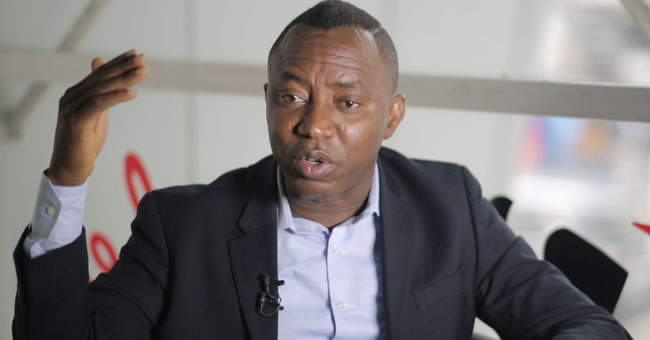
Sowore Blames Low Voter Turnout on Trust Issues
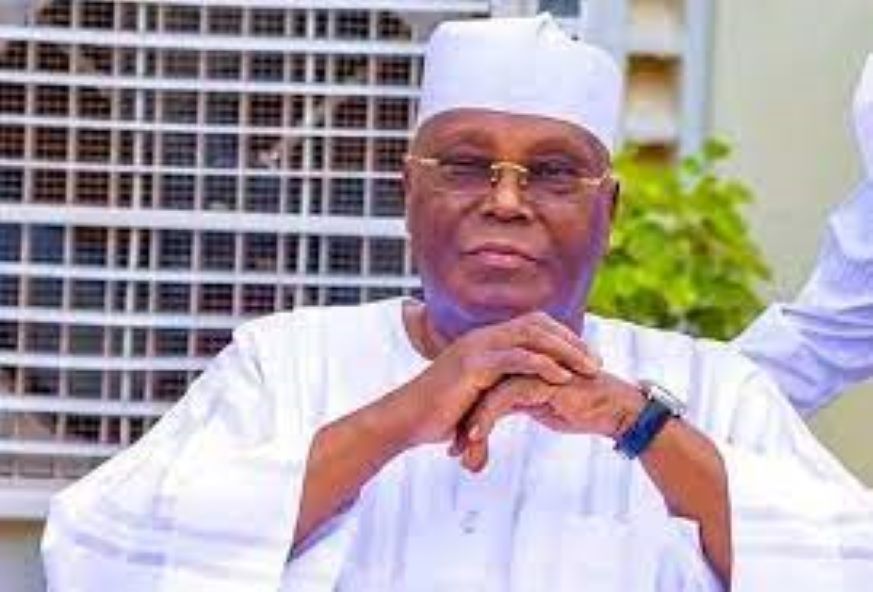
Atiku Abubakar Warns of Voter Apathy Threatening Democracy
Get Plus234Feed on messaging apps
Same headlines, delivered where you already scroll.


