

Economic Insights on Fourth Mainland Bridge Project

The article by Dipo Baruwa examines the economic lessons from two significant infrastructure projects in Nigeria: the Fourth Mainland Bridge and the Lagos-Calabar Coastal Road. The Fourth Mainland Bridge was first conceptualized in the mid-2000s under Governor Bola Ahmed Tinubu, with design approval around 2008, but has faced intermittent revival efforts without firm construction.
The Lagos-Calabar Coastal Highway is part of a broader vision to link Nigeria's coastal corridor. The discussion highlights the importance of aligning these projects with Nigeria's industrial aspirations and the need for effective budgetary allocations.
The Fourth Mainland Bridge is positioned not just as a transport project but as a catalyst for economic clusters in Lagos, which is Nigeria's largest city. The article emphasizes that without proper execution, these projects risk becoming expensive monuments rather than transformative infrastructures.
It also notes the historical context of similar disconnects in Nigeria's infrastructure planning, referencing the abandonment of the Lagos Metro Line project in the early 1980s.
Plus234Feed summary based on reporting from Premium Times. Read the original report below.
Read full article
Continue on Premium Times
Get the week in one email
Top stories, NPFL results, the naira — every Friday morning. Free, one email a week.
Related Stories
Lagos-Calabar Coastal Road to Boost Nigeria's GDP Significantly

Tinubu Inaugurates Ojota-Opebi Link Bridge in Lagos
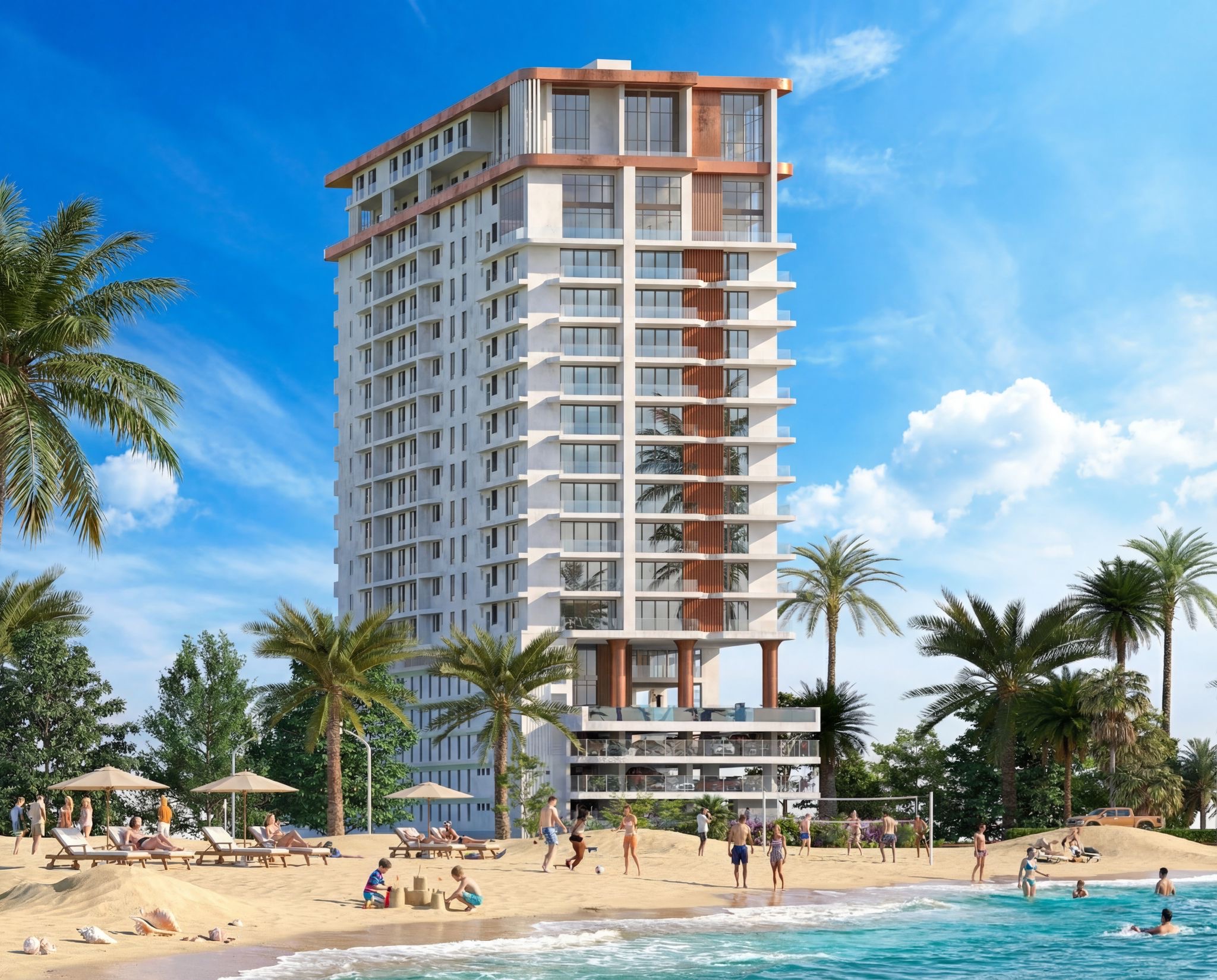
Lagos-Calabar Coastal Road Boosts Property Values in Eko Atlantic City and Bluewater Okunde
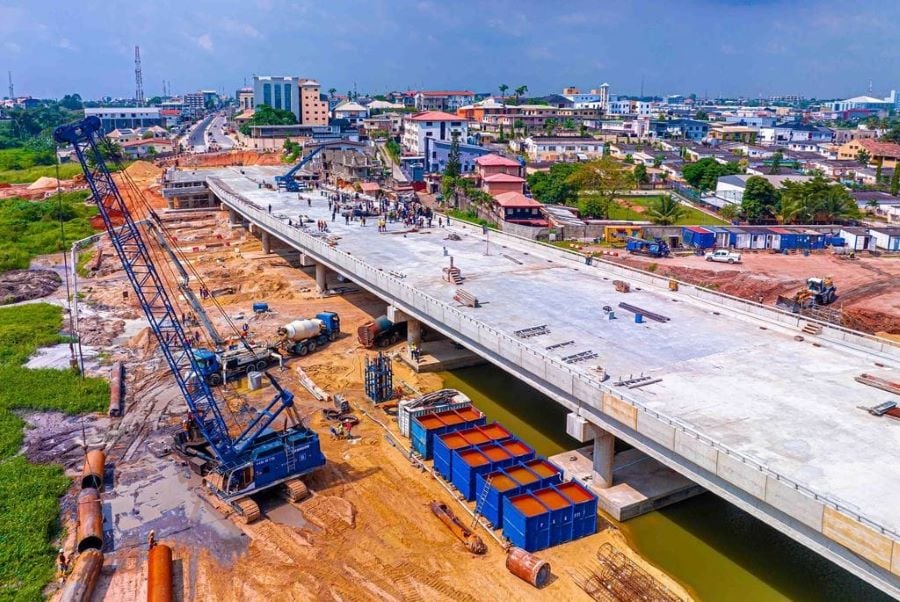
Tinubu to Inaugurate Opebi–Mende Link Bridge This Week
Obasanjo Praises Tinubu's Economic Reforms and Road Project
FEC Approves Major Road Projects Worth Billions
Get Plus234Feed on messaging apps
Same headlines, delivered where you already scroll.


