

Nigeria Faces Tough Choices on Ending Electricity Subsidies
The article examines the debate surrounding the removal of electricity subsidies in Nigeria, led by the Senate Committee on Appropriations, chaired by Adeola Olamilekan. The committee argues that the subsidy regime is a significant drain on public finances, costing the government over a trillion naira.
While the government aims to cut subsidies to save money and redirect funds, concerns arise about the abrupt transfer of costs to Nigerians, which could lead to severe social and economic consequences. The article stresses that electricity is essential for modern life and that the removal of subsidies without a well-designed transition framework could undermine development goals.
The Federal Budget Office has indicated that the government plans to stop carrying the cost of electricity subsidies by 2026, spreading the financial burden across federal, state, and local governments. The article warns that without a coordinated intergovernmental framework and adequate support systems, households and small businesses may struggle to adjust to rising costs, leading to increased energy poverty and economic instability.
Plus234Feed summary based on reporting from Blueprint. Read the original report below.
Read full article
Continue on Blueprint
Get the week in one email
Top stories, NPFL results, the naira — every Friday morning. Free, one email a week.
Related Stories
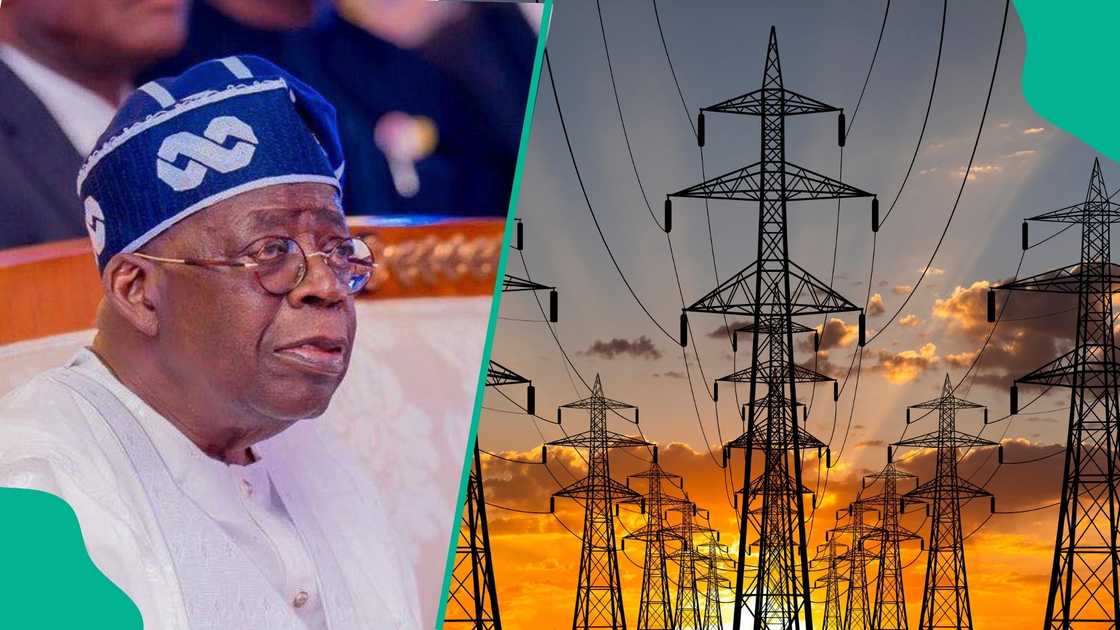
Nigerian Government to End Sole Electricity Subsidy Responsibility by 2026
Expert Warns of Inequality Risks in Nigerian Electricity Subsidy Removal Plan

NDPHC Calls for Removal of Electricity Subsidies in Nigeria
Nigerian Government to Share Electricity Subsidy Costs with Citizens to Stabilize Power Sector
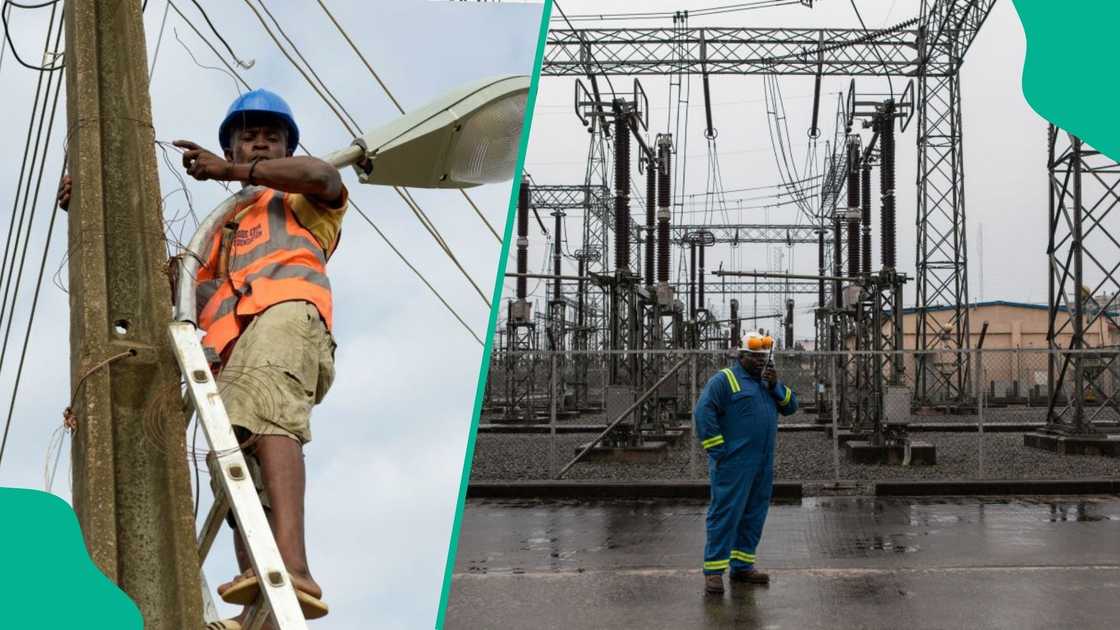
Nigerian Power Generation Companies Disagree with Government's Plan to Cut Electricity Subsidies by 2026
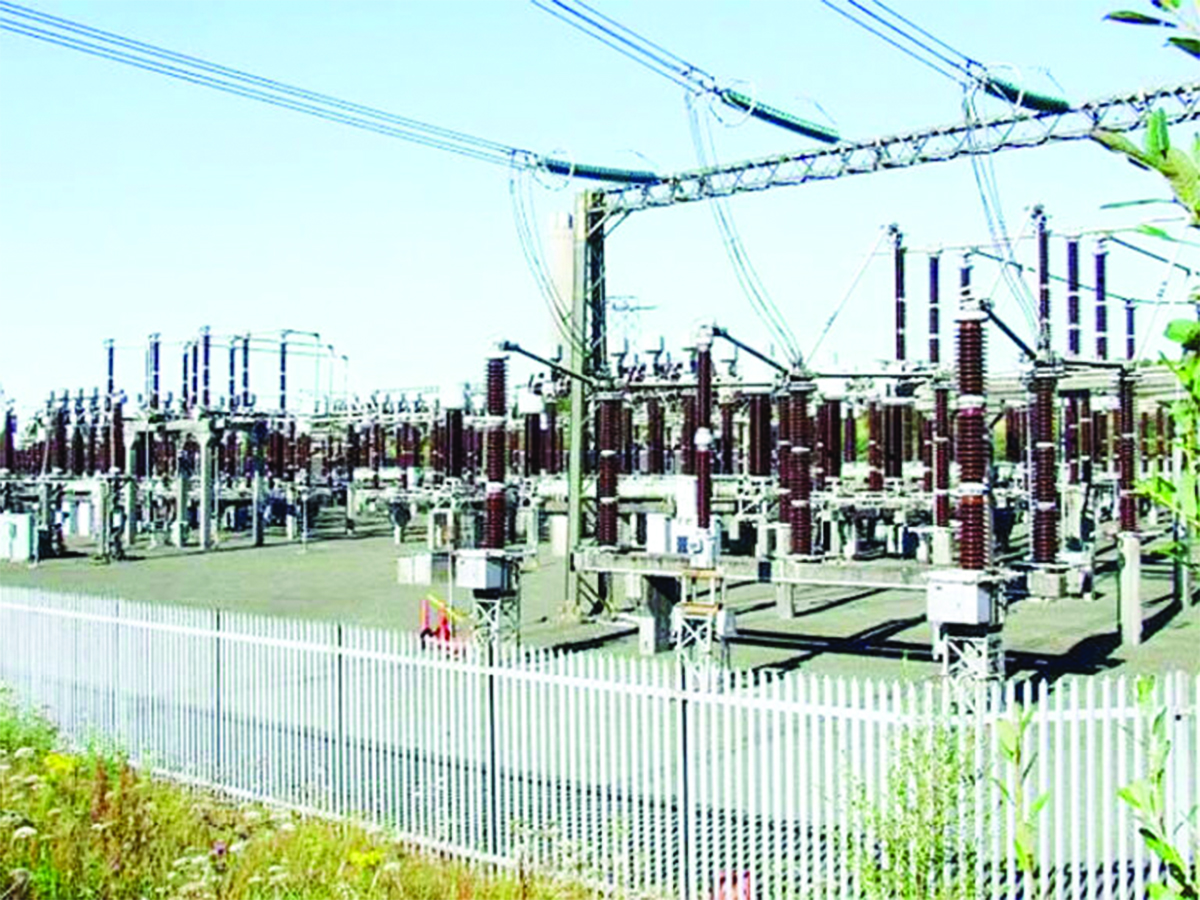
Nigeria's Electricity Crisis: Communities Fund Repairs
Get Plus234Feed on messaging apps
Same headlines, delivered where you already scroll.


