

EPR Model to Empower Nigeria's Informal Waste Workers

The Extended Producer Responsibility (EPR) model is designed to empower informal waste workers in Nigeria by integrating them into the formal waste management system. Professor Innoc Barikor, the Director General of NESREA, explained that the initiative aims to create an inclusive EPR ecosystem, providing access to government structures, financial opportunities, and social protection for environmental compliance.
During a virtual stakeholder sensitization program, Barikor emphasized the model's role in addressing economic vulnerabilities and health risks faced by informal waste workers. Dr. Peter Ayim, Chief Steward of the Nigeria Environment Stewardship Cooperative Society (NESCOOP), noted that the cooperative-led EPR model addresses structural challenges such as lack of formal recognition and social exclusion.
Countries like Brazil, Colombia, India, and South Africa have already implemented similar systems. Major stakeholders in the EPR value chain, including the Food and Beverage Recycling Alliance (FBRA) and E-Waste Producers Responsibility Organization (EPRON), participated in the meeting.
Plus234Feed summary based on reporting from Voice of Nigeria. Read the original report below.
Read full article
Continue on Voice of Nigeria
Get the week in one email
Top stories, NPFL results, the naira — every Friday morning. Free, one email a week.
Related Stories

NESREA Launches Cooperative Strategy for Waste Workers

NESREA Defends Plastic Waste Regulations Amid Concerns
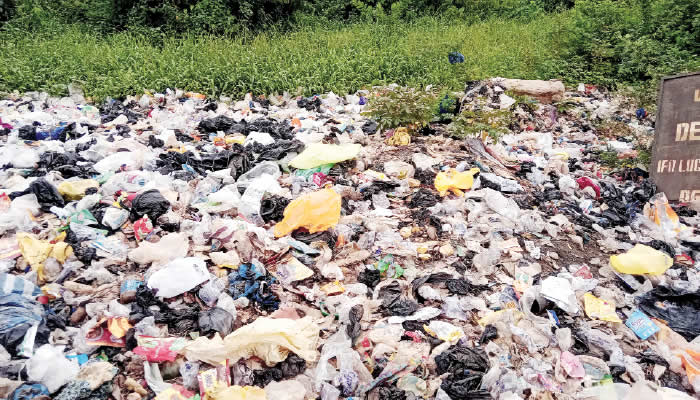
Experts Urge Stronger Waste Management Regulations in Nigeria

MAN Calls for Suspension of NESREA's Plastic Ban Proposal
Poor Waste Disposal Increases Flood Risks in Nigeria
NSE Advocates Circular Economy for Environmental Solutions
Get Plus234Feed on messaging apps
Same headlines, delivered where you already scroll.


