
Nigeria's Food Inflation Hits Six-Month High at 20.31%
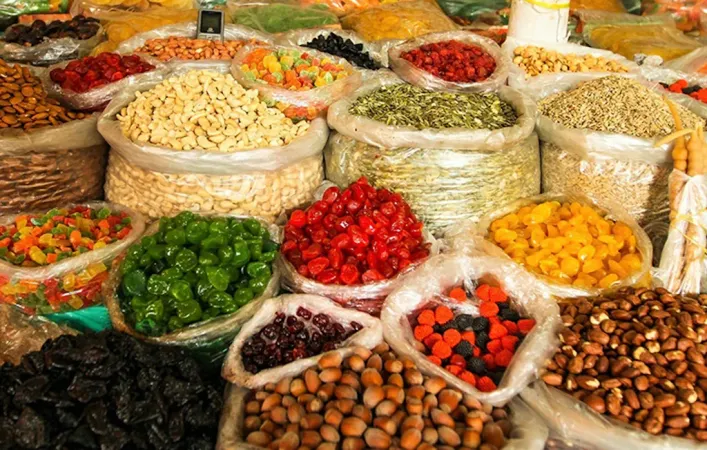
In July, Nigeria's food inflation rose to 20.31%, marking a six-month high and raising alarms among farmers about a potential food affordability crisis. The National Bureau of Statistics reported that food inflation has increased for six consecutive months, up from 8.89% in January and 12.12% in February.
The rise in food prices is attributed to increased costs of energy, transportation, and fertilizers, alongside declining consumer purchasing power. Tunde Banjoko, Chairman of the Lagos Chamber of Commerce and Industry’s Agricultural and Allied Group, indicated that the situation is driven by rising production costs and weak consumer demand, which has led to thousands of crates of eggs being wasted weekly.
The month-on-month food inflation also accelerated to 5.56% in July from 3.75% in June. Banjoko noted that insecurity, flooding, and expensive financing further complicate the challenges faced by farmers, emphasizing that the ongoing US-Israeli conflict has influenced transportation costs and fertiliser supply.
Plus234Feed summary based on reporting from Punch Newspapers. Read the original report below.
Read full article
Continue on Punch Newspapers
Get the week in one email
Top stories, NPFL results, the naira, every Friday morning. Free, one email a week.
Related Stories
Nigeria's Farm Produce Inflation Hits 21.99% in August 2026

Nigeria's Food Inflation Hits 20.31% Amid Economic Struggles
Nigeria's Inflation Rate Drops to 15.91% Amid Rising Food Costs
Nigeria's Food Inflation Hits 17.52% Driven by Edible Oil
Nigeria's Headline Inflation Drops to 15.43%, But Food Prices Surge

Nigeria's Inflation Declines Slightly to 15.91% in June 2026
Get Plus234Feed on messaging apps
Same headlines, delivered where you already scroll.