

Nigeria Faces Rising Snakebite Fatalities Amid Antivenom Shortages

The article highlights the rising fatalities from snakebites in Nigeria, with singer Ifunanya Nwangen's recent death in Abuja underscoring the neglect of this public health issue. Lack of antivenom availability and incomplete dosages at medical centers contribute to unreported cases and high mortality rates.
Despite an annual death toll of hundreds due to venomous snake bites, healthcare workers in Nigeria lack formal training in managing snakebite cases. Former Benue State Governor, Chief Samuel Ortom, reportedly spent N680 million over 22 years treating thousands of victims.
Efforts to address the issue include the establishment of the Nigeria-UK Echitab Study Group to develop antivenom and the inauguration of the Echitab Snakebite Control and Research Center in Gombe State. However, challenges persist in providing affordable treatment, especially in rural areas where victims, mainly subsistence farmers, struggle to afford medication.
Urgent measures are needed to improve public awareness, ensure antivenom availability, and enhance healthcare infrastructure to effectively manage snakebite cases.
Plus234Feed summary based on reporting from This Day. Read the original report below.
Read full article
Continue on This Day
Get the week in one email
Top stories, NPFL results, the naira — every Friday morning. Free, one email a week.
Related Stories
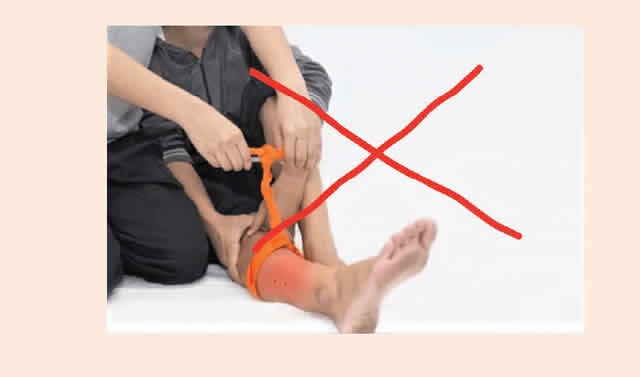
Report Reveals Over 50% of Nigerian Health Facilities Lack Capacity to Treat Snakebites

Nigerian Singer Dies Due to Hospital Negligence After Snakebite Complications

Nigerian Senate Calls for Mandatory Antivenom in Hospitals After Rising Singer Dies from Snakebite
Nigeria Faces Urgent Call to Address High Cost of Treating Snakebites
Clinician Urges Overhaul of Public Health Education After Nigerian Singer's Snakebite Death
FCTA Ensures Antivenom Availability in Abuja Public Hospitals After Snakebite Tragedy
Get Plus234Feed on messaging apps
Same headlines, delivered where you already scroll.


