

Naira Declines Sharply in Black Market Amid Economic Strain

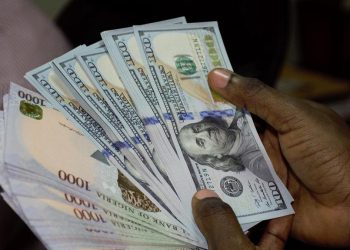
In February 2026, the Nigerian Naira experienced a sharp decline against major international currencies, with the black market rates reflecting a significant gap between demand and supply. On Thursday, February 12, the Naira was reported at 1,435 NGN to 1 USD and 1,670 NGN to 1 EUR, with further losses against the British Pound.
Analysts attribute the Naira's continued depreciation to persistent foreign exchange scarcity, rising demand for imports, and the country's heavy reliance on imports for basic goods. The Central Bank of Nigeria (CBN) has faced criticism for its inconsistent foreign exchange policies, which have discouraged investor confidence and contributed to a decline in foreign direct investment (FDI).
The economic environment remains unstable, exacerbated by external factors such as oil price volatility and inflation. As a result, ordinary Nigerians are struggling with rising costs of living, including food, transportation, and healthcare, while the government has been criticized for its slow response to the crisis.
Plus234Feed summary based on reporting from Federal Character. Read the original report below.
Read full article
Continue on Federal Character
Get the week in one email
Top stories, NPFL results, the naira — every Friday morning. Free, one email a week.
Related Stories
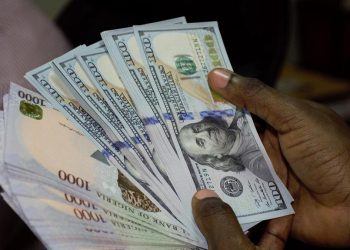
Naira Declines Sharply in Black Market FX in February 2026
Nigerian Naira Plummets in December, Black Market Rates Soar Amid Economic Crisis
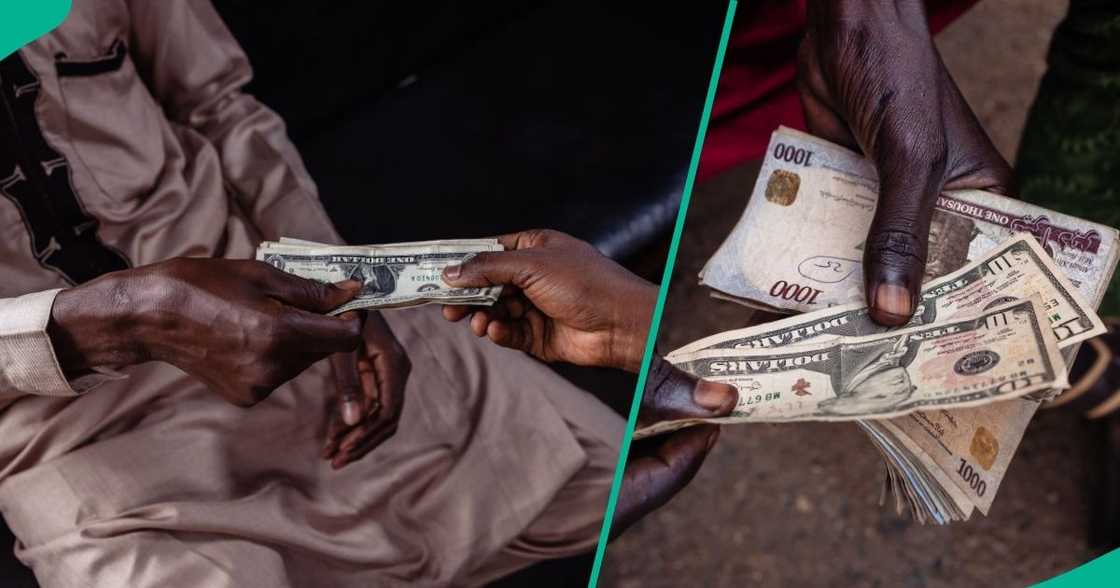
Nigerian Dollar Plunges in Black Market as Naira Weakens Against US Dollar
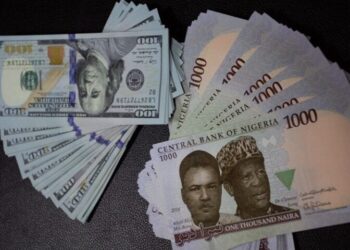
Naira Weakens Further in Black Market Amid Economic Strain
Naira Depreciation Deepens Amid Black Market Pressures
Naira Depreciation Deepens Amidst Black Market Pressures
Get Plus234Feed on messaging apps
Same headlines, delivered where you already scroll.


