
Nigeria Targets Investment Grade Status After Positive Ratings
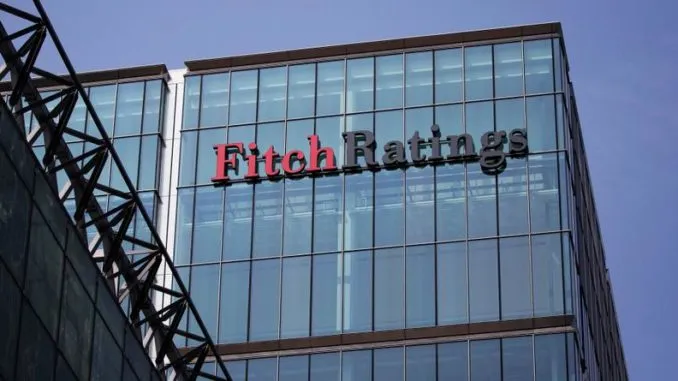
The federal government of Nigeria has set a medium-term ambition to achieve investment-grade status, following positive rating actions from Fitch Ratings, S&P Global Ratings, and Moody’s Ratings in 2026. Fitch Ratings revised Nigeria's outlook to Positive from Stable and affirmed its Long-Term Issuer Default Ratings at ‘B’.
Finance Minister Taiwo Oyedele stated that this development validates the Tinubu administration's reforms, such as the removal of the fuel subsidy and the unification of the exchange rate. The government is pursuing these reforms to lower Nigeria's cost of capital, attract private investment, and create jobs.
In 2026, all three major rating agencies have taken positive actions on Nigeria, with S&P upgrading Nigeria to ‘B’ from ‘B-’ in May and Moody’s revising its outlook to Positive in August. Fitch noted that ongoing reforms have led to greater naira flexibility and an increase in foreign exchange reserves, which rose to $54.9 billion by September 25, 2026.
Plus234Feed summary based on reporting from Leadership Newspaper. Read the original report below.
Read full article
Continue on Leadership Newspaper
Get the week in one email
Top stories, NPFL results, the naira, every Friday morning. Free, one email a week.
Related Stories

Nigeria's Government Aims for Investment-Grade Rating by 2030

Moody’s Upgrades Nigeria's Outlook to Positive
Fitch Ratings Upgrades Nigeria's Outlook to Positive

Nigeria's Economic Reforms Boost Global Investor Confidence
Nigeria's Economy Strengthened by Reforms, Says Idris

Nigeria's Government Directs Banks to Fund Businesses
Get Plus234Feed on messaging apps
Same headlines, delivered where you already scroll.