

March 2026 Sees Decline in Food Prices in Nigeria

The National Bureau of Statistics (NBS) released a food price watch report indicating notable declines in the prices of key household staples such as beans, garri, and eggs in March 2026 compared to March 2025. This decline offers some relief to households facing high living costs, despite the broader inflationary pressures in Nigeria's economy.
The report also noted that while there were significant year-on-year reductions in these staple food prices, several commodities recorded slight month-on-month increases, suggesting persistent short-term market pressures. Fresh ginger, for example, saw a year-on-year price rise of 20.46%, reaching N5,541.25 per kilogram due to ongoing supply constraints and strong demand.
The report highlighted disparities in food prices across different regions, with southern states generally experiencing higher prices for major staples, while the northwestern and north-central regions recorded lower prices. The overall decline in staple food prices occurred despite the government's interventions, which included food imports valued at N7.65 trillion in 2024 and 2025.
Plus234Feed summary based on reporting from Nairametrics. Read the original report below.
Read full article
Continue on Nairametrics
Get the week in one email
Top stories, NPFL results, the naira — every Friday morning. Free, one email a week.
Related Stories

Food Prices Surge in Nigeria, April 2026 Report Shows
April 2026 Food Prices Rise, Tomato Prices Up 6.60%
Nigeria's Food Inflation Drops to 14.31% in March 2026
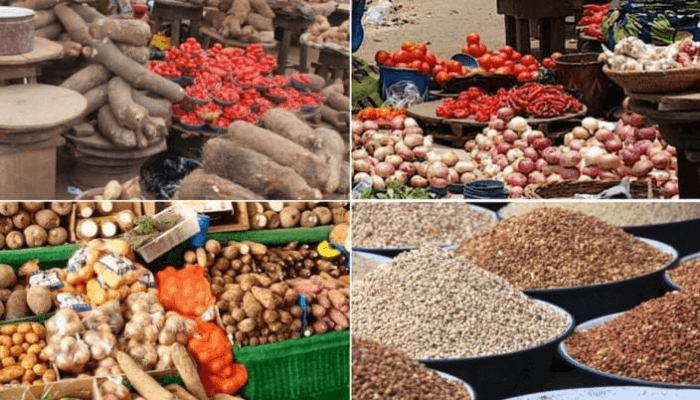
Food Prices May Decrease Next Harvest Season in Nigeria

Nigeria's Inflation Rises to 15.38% Amid Global Pressures
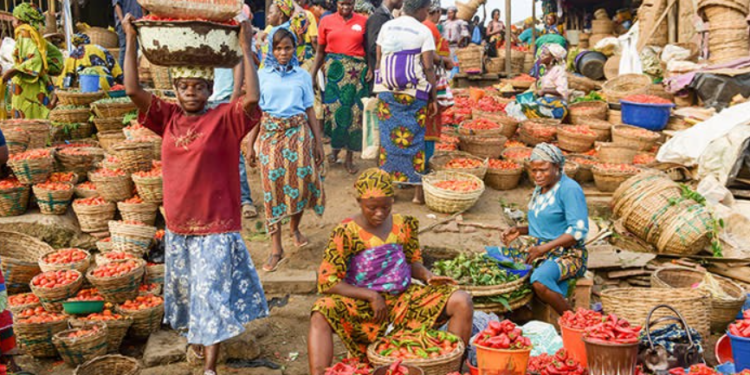
Lagos Food Prices Drop in April 2026 Amid Supply Boost
Get Plus234Feed on messaging apps
Same headlines, delivered where you already scroll.


