

Challenges and Resilience in Nigeria's Informal Economy

Tade Wasiu is a fashion designer known for his work with fine fabrics, specializing in dashikis, Kaftans, Babanrigas, and female Buba designs. His journey began in Ilogbo, a ghetto in Lagos, before moving to Surulere.
Despite spending over four years in the business, he struggles with government support and faces challenges typical of small businesses, such as funding and high electricity costs. The informal economy in Nigeria, which includes many artisans like Wasiu, is significant, with over 60 percent of the population under 30 years old.
A Moniepoint Informal Economy Report 2025 indicates that 38 percent of informal businesses earn less than N10,000 daily, and 44 percent generate less than N20,000. Additionally, 42 percent of businesses have savings that would last less than one month without income.
Despite these challenges, 74 percent of informal business operators save regularly, primarily for business expansion and emergencies.
Plus234Feed summary based on reporting from This Day. Read the original report below.
Read full article
Continue on This Day
Get the week in one email
Top stories, NPFL results, the naira — every Friday morning. Free, one email a week.
Related Stories
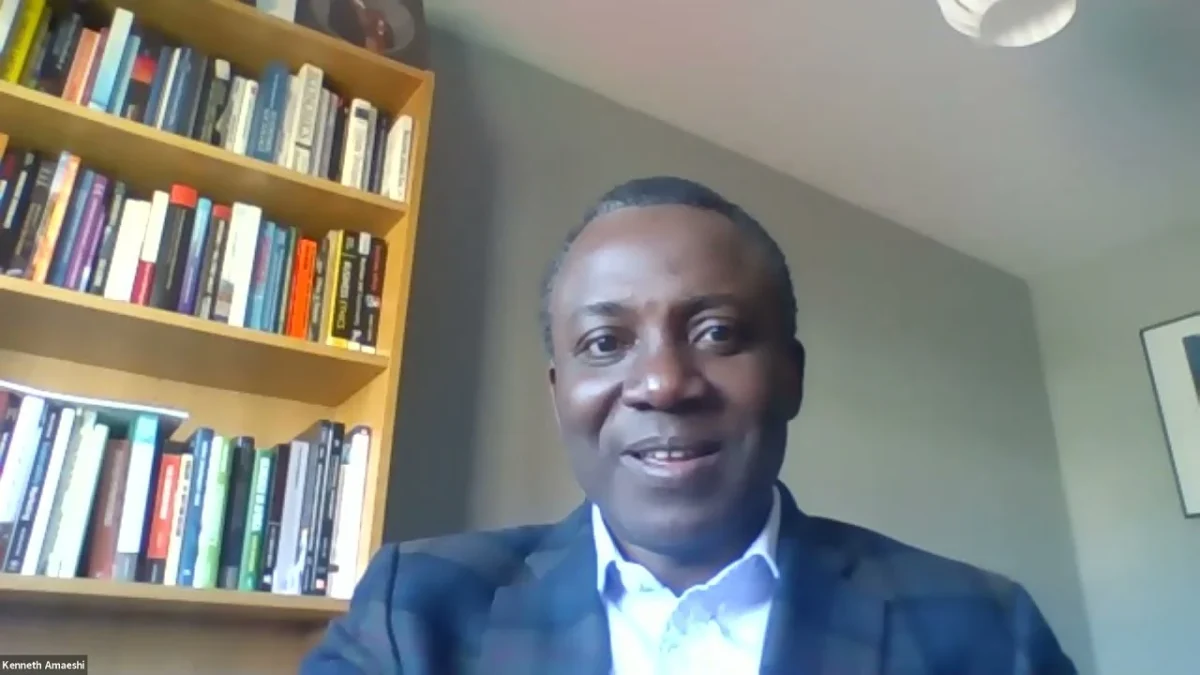
Informal Sector Crucial for Nigeria's Economic Growth

Strengthening Local Production to Boost Nigeria's Fashion Industry

Nigeria's Informal Economy Challenges Official GDP Data
ECOWAS Warns: 90% of West Africa's Economy is Informal
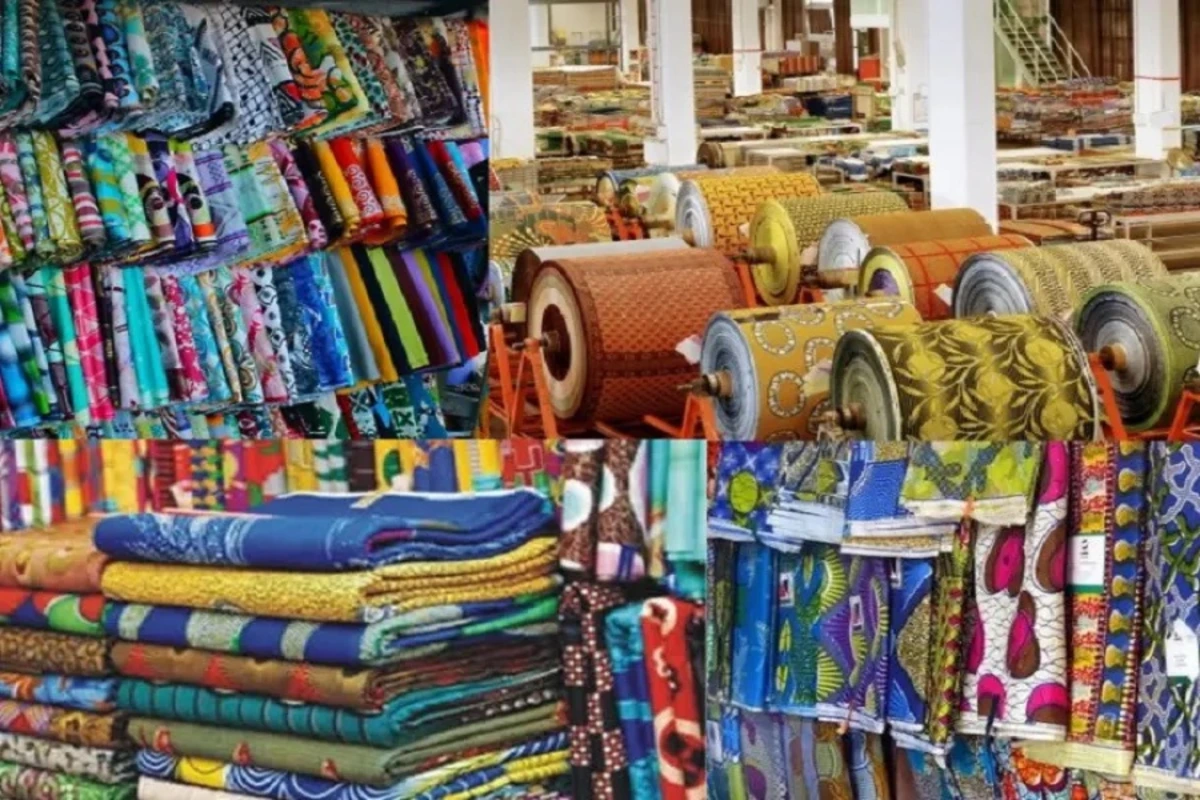
Nigeria's Textile Sector Contracts for Ninth Consecutive Quarter
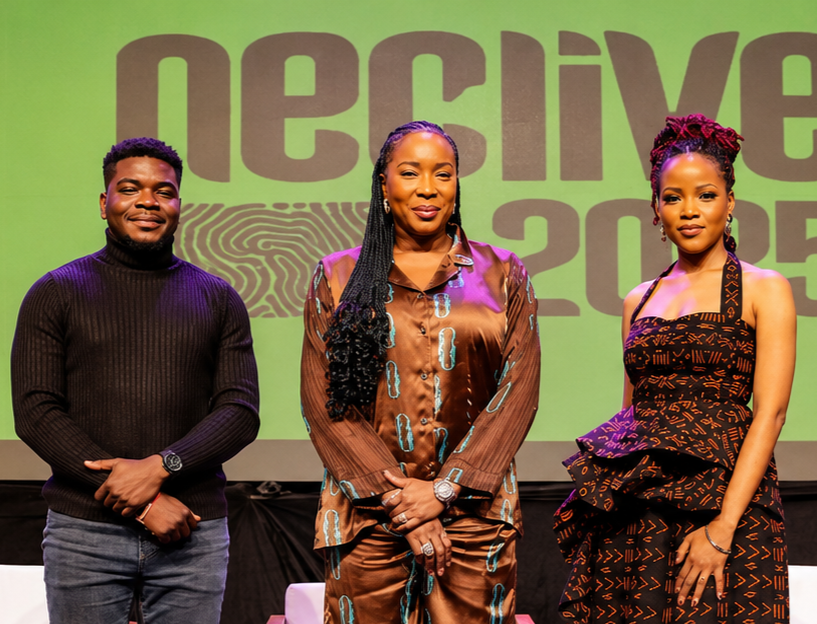
Nigeria's Creative Industry Faces Systemic Challenges
Get Plus234Feed on messaging apps
Same headlines, delivered where you already scroll.


