

Strengthening Local Production to Boost Nigeria's Fashion Industry

The Mevesi boss stated that while Nigeria's fashion industry faces numerous challenges, these can also present opportunities. The country possesses significant creative talent, a large domestic market, and entrepreneurs developing world-class brands.
However, the reliance on imported materials increases production costs. Strengthening local textile manufacturing, improving fabric quality, and investing in dyeing and finishing technology are essential steps to reduce costs and enhance competitiveness.
The Mevesi boss emphasized that manufacturing requires patient capital, reliable electricity, financing, and supportive government policies. Building a robust manufacturing industry necessitates long-term commitment and investment.
Fashion should be viewed not just as a creative industry but as a manufacturing sector with substantial export and employment potential. Effective supply chain management is crucial, as delays can impact production timelines.
The organization focuses on building relationships with trusted suppliers and investing in skills development to maintain quality. Additionally, planning based on customer demand helps ensure timely delivery and operational efficiency.
Plus234Feed summary based on reporting from Punch Newspapers. Read the original report below.
Read full article
Continue on Punch Newspapers
Get the week in one email
Top stories, NPFL results, the naira — every Friday morning. Free, one email a week.
Related Stories
Nigeria Studies Benin's Textile Model for Industry Revival

High Production Costs Hinder Nigeria's Manufacturing Sector

Challenges and Resilience in Nigeria's Informal Economy

FG Supports Nigeria Fashion Week 2026 for Economic Growth
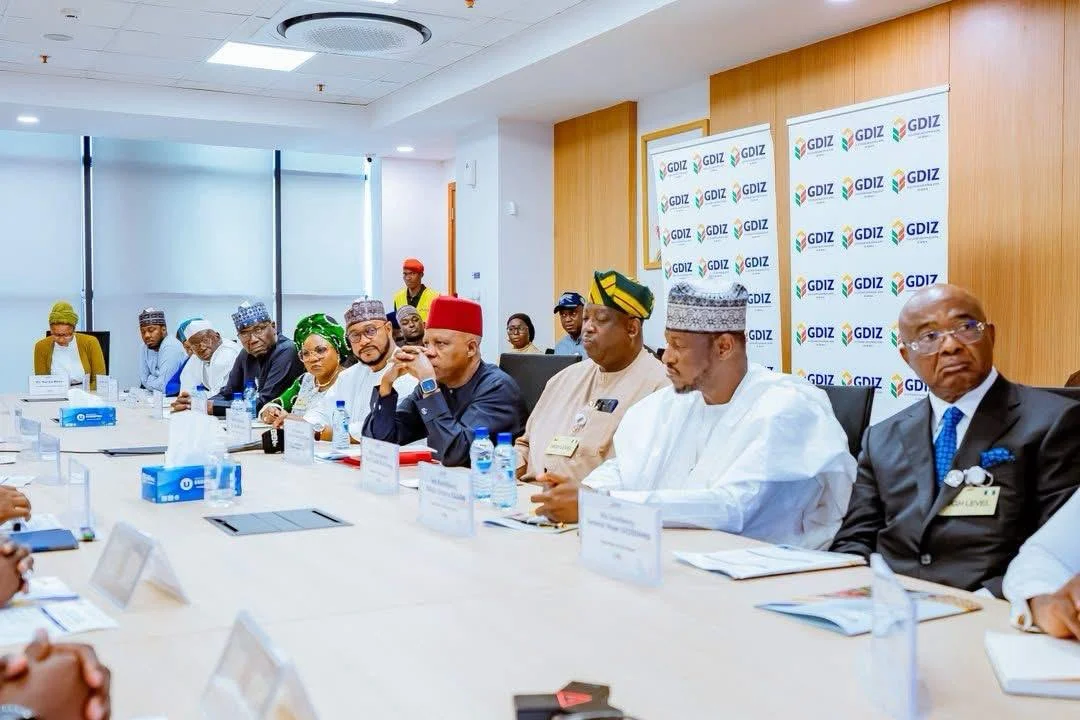
Governors Aim to Revive Nigeria's Textile Industry
Textile Import Ban Threatens Nigeria's N17tn Industries
Get Plus234Feed on messaging apps
Same headlines, delivered where you already scroll.


