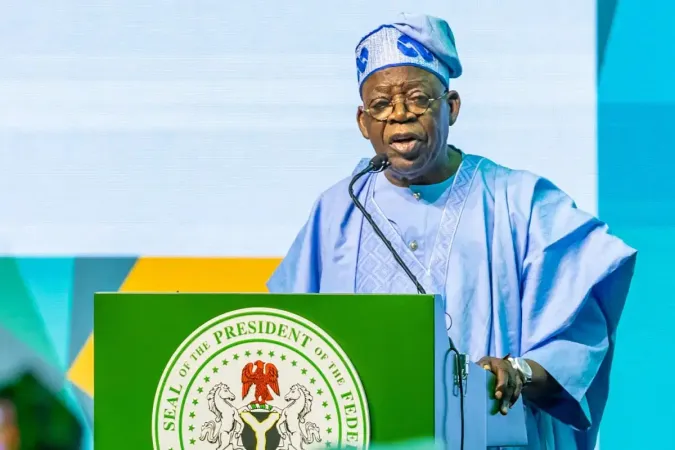

Nigeria's Free Zones Face Tax Changes Impacting Investors

Nigeria's ambition to develop a $1 trillion economy hinges on attracting factories and investment, making the ongoing debate over the free-zone regime critical. The draft Nigeria Export Processing Zones (Domestic Sales, Fiscal Alignment and Customs Treatment) Regulations, 2026, aims to enhance investor confidence and global competitiveness.
Issued under the Nigeria Export Processing Zones Act and the Nigeria Tax Act 2025, the draft proposes that enterprises qualify for tax exemption on profits only if at least 75% of their annual turnover comes from exports. Starting January 1, 2028, profits from sales into Nigeria's customs territory will be fully taxable, regardless of the percentage of domestic sales.
This change could be viewed as a policy reversal, potentially deterring investment. The draft emphasizes that unauthorized movement of duty-free goods into the domestic market will incur customs duties, highlighting the need for strict compliance to maintain the integrity of the free-zone system.
Plus234Feed summary based on reporting from The Authority. Read the original report below.
Read full article
Continue on The Authority
Get the week in one email
Top stories, NPFL results, the naira, every Friday morning. Free, one email a week.
Related Stories

Nigeria's Free Zones Revamp to Attract New Investments

Nigeria's FG Tightens Regulations for Special Economic Zones

Nigeria's Free Trade Zones Draw $200bn Investment, Create Jobs
Nigeria's Dr. Jumoke Oduwole Advances SEZ Reforms
Businesses Urge Clarity in Nigeria's New Tax Regime

Nigeria's Dr. Jumoke Oduwole Enhances SEZ Coordination
Get Plus234Feed on messaging apps
Same headlines, delivered where you already scroll.