
Nigeria's Free Zones Revamp to Attract New Investments

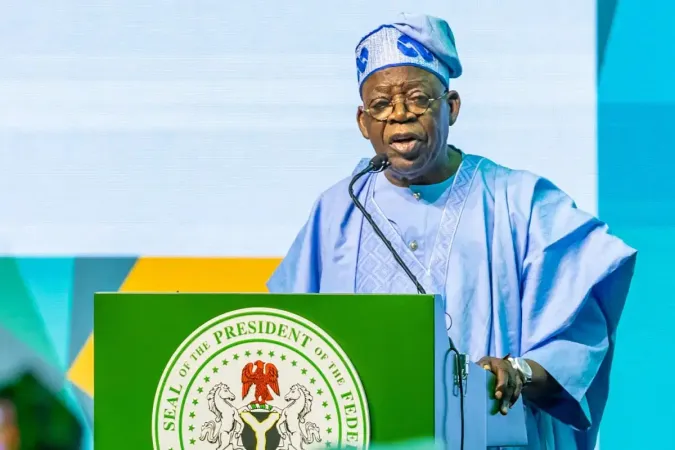
Nigeria's Free Zones are entering a crucial phase as the government seeks to modernize their regulatory framework to attract new investments, expand exports, and create jobs. Established over three decades ago, these zones aim to enhance production and facilitate technology transfer.
However, the evolving global trade environment necessitates a review of their operational framework. Since 2024, the Federal Ministry of Industry, Trade and Investment has collaborated with Free Zone Authorities to assess the legal and fiscal structures governing these zones, particularly in light of the Nigeria Tax Act 2025.
This Act specifically addresses export processing and Free Zone entities, allowing approved enterprises to sell up to 25% of their production into the Nigerian Customs Territory, with full taxation on profits from such sales beginning January 1, 2028. The current regulatory review aims to ensure coherence within these statutory provisions, focusing on market access, customs treatment, and taxation.
Plus234Feed summary based on reporting from This Day. Read the original report below.
Read full article
Continue on This Day
Get the week in one email
Top stories, NPFL results, the naira, every Friday morning. Free, one email a week.
Related Stories

Nigeria's Free Zones Face Tax Changes Impacting Investors

Nigeria's Free Trade Zones Draw $200bn Investment, Create Jobs

Nigeria's FG Tightens Regulations for Special Economic Zones

Nigeria's Dr. Jumoke Oduwole Enhances SEZ Coordination
Nigeria's Dr. Jumoke Oduwole Advances SEZ Reforms
Lagos Free Zone's Ladoja Advocates Local Manufacturing Shift
Get Plus234Feed on messaging apps
Same headlines, delivered where you already scroll.