

Bolt and LagRide Address Nigeria's Ride-Hailing Crisis

The sustainability of Nigeria's ride-hailing business is under threat due to increasing vehicle operating costs, financing obligations, and pressure on passenger affordability. Teddy Appa-Dankyi, Senior General Manager for Bolt West Africa, and Mildred Ekanem, Executive Director of LagRide, discussed these challenges following the exits of Uber and Moove.
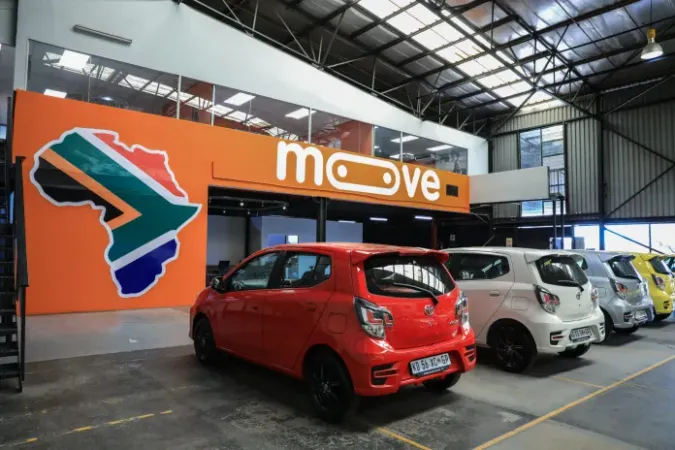
Uber ended its Nigerian operations on September 2, 2026, after 12 years, while Moove announced its wind-down on October 8, 2026, six years after launching in Lagos. Ekanem highlighted that running a technology-enabled mobility service involves more than just connecting passengers with drivers; it requires managing significant costs related to vehicle acquisition, maintenance, and insurance.
Drivers face financial pressures from fuel and maintenance costs, alongside rental or financing obligations. Appa-Dankyi noted that these economic pressures limit what passengers can afford to pay, affecting both drivers' earnings and platform sustainability.
Effective vehicle management and preventive maintenance are crucial for fleet operators to ensure profitability.
Plus234Feed summary based on reporting from Nairametrics. Read the original report below.
Read full article
Continue on Nairametrics
Get the week in one email
Top stories, NPFL results, the naira, every Friday morning. Free, one email a week.
Related Stories

Uber Exits Nigeria Amid Global Acquisition Plans

Uber Ends Ride-Hailing Operations in Nigeria
Moove Exits Nigeria After Raising Over $710 Million Globally

Uber Exits Nigeria After 12 Years, Sparking Debate

Moove Exits Nigerian Market, Shutting Down Operations

Uber to Exit Nigeria by September 2026 Amid Competition
Get Plus234Feed on messaging apps
Same headlines, delivered where you already scroll.