

Nigerian Transport Fares Remain High Despite Decrease in Fuel Prices
The article discusses the discrepancy between decreasing fuel prices and high transport fares in Nigeria. While petrol prices have dropped, transport costs have not followed suit, with drivers citing maintenance expenses as a reason for fare hikes.
Citizens, students, and business owners express frustration over the lack of fare reduction despite lower fuel costs. The situation is impacting various sectors, including transportation and food businesses.
Market competition in the petroleum downstream sector, including a price war involving Dangote Refinery, has not translated into lower transport fares for the public.
Plus234Feed summary based on reporting from Daily Trust. Read the original report below.
Read full article
Continue on Daily Trust
Get the week in one email
Top stories, NPFL results, the naira — every Friday morning. Free, one email a week.
Related Stories

Lagos Transport Fares Surge 60% Despite Drop in Fuel Prices
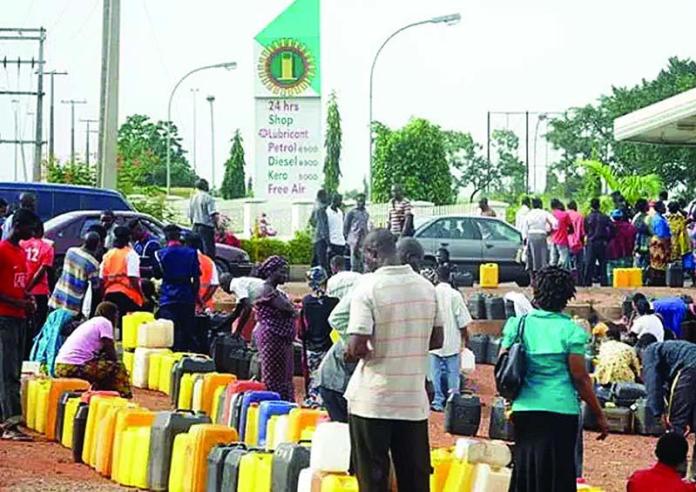
Nigerian Oil Companies Exploit Citizens with Significant Petrol Price Hikes Amid Crude Oil Surge
Nigeria Faces High Fuel Costs Despite Price Decrease
Fuel Prices in Lagos Remain Above N800 Despite Dangote Refinery's Price Cuts
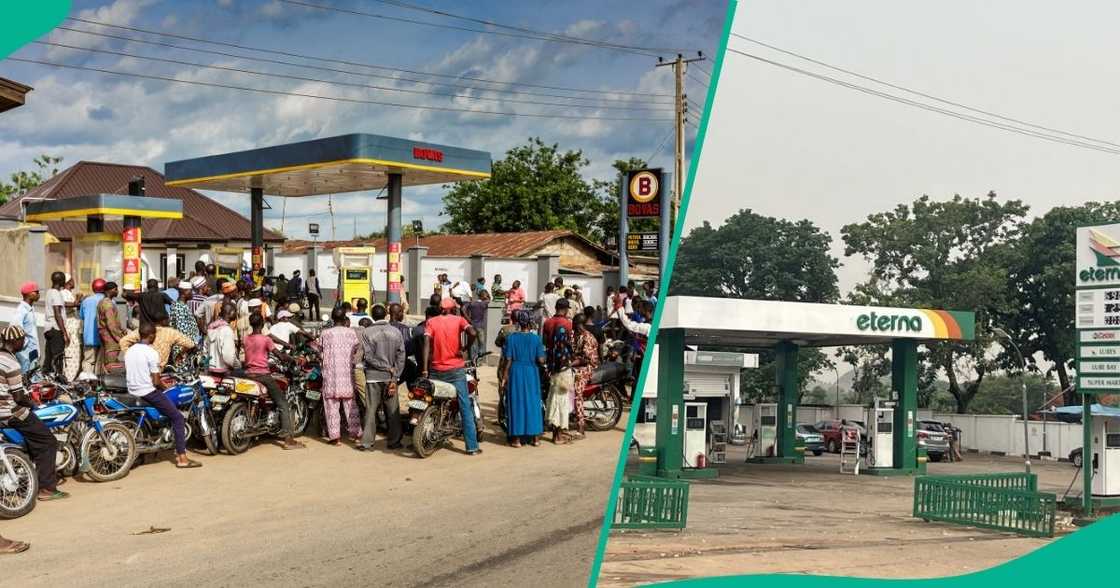
Nigerian Government Imposes 0.5% Levy on Fuel Dealers, Petrol Prices Set to Rise
Central Bank of Nigeria Lowers Monetary Policy Rate to 23%
Get Plus234Feed on messaging apps
Same headlines, delivered where you already scroll.


