

Nigeria's Manufacturing Sector Struggles Amid High Costs
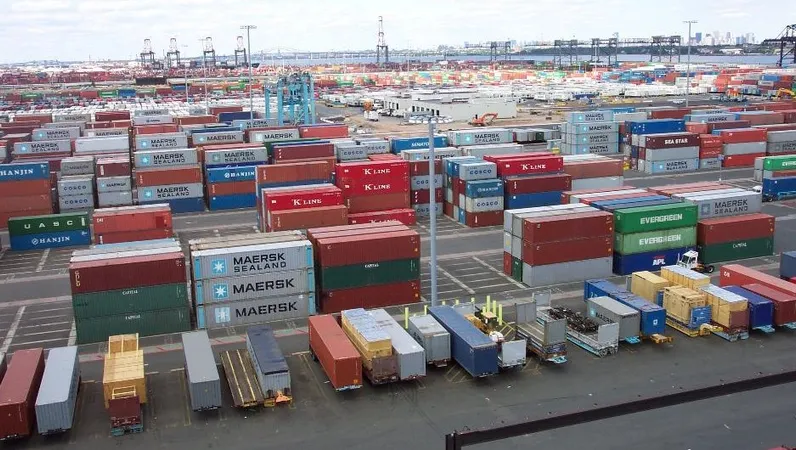
In the second quarter of 2026, Nigeria's non-oil export earnings increased to N3.73 trillion, yet this growth has not enhanced manufacturing competitiveness due to high energy and logistics costs, expensive financing, and cheap imports. Stakeholders noted that export growth is primarily driven by petroleum products and raw or semi-processed commodities rather than manufactured goods, which are essential for job creation and industrial capacity.
According to the National Bureau of Statistics, total exports reached N27.02 trillion, with non-crude oil exports at N14.11 trillion. However, manufactured exports plummeted by 51.1% year-on-year to N393.03 billion, while imports of manufactured goods surged by 20.65% to N9.51 trillion, resulting in a trade deficit of approximately N9.12 trillion.
Segun Ajayi-Kadir, director-general of the Manufacturers Association of Nigeria, emphasized the need for Nigerian goods to compete on price and quality. Dr. Chinyere Almona, director-general of the Lagos Chamber of Commerce and Industry, pointed out that the non-oil export figure reflects a lack of value addition, as manufacturers struggle with high production costs compared to peer countries.
Plus234Feed summary based on reporting from Leadership Newspaper. Read the original report below.
Read full article
Continue on Leadership Newspaper
Get the week in one email
Top stories, NPFL results, the naira, every Friday morning. Free, one email a week.
Related Stories

Nigeria's Manufacturing Growth Fails to Cut Imports in 2026

Nigeria's Manufactured Goods Imports Reach N18 Trillion
MAN Reports N1.35trn Power Costs Harming Nigerian Industry

MAN President Meshioye Addresses Nigeria's Export Challenges
Nigerian Manufacturers Face ₦2.12 Trillion in Unsold Goods

SEID Report Reveals N40tn Manufacturing Potential in Nigeria
Get Plus234Feed on messaging apps
Same headlines, delivered where you already scroll.