
SBM Jollof Index Reports Limited Food Price Relief in Nigeria
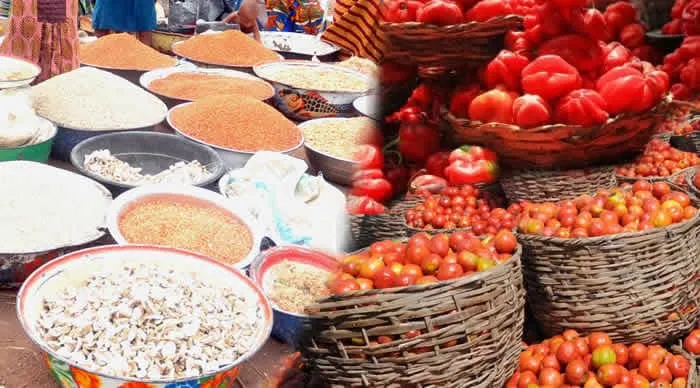
The SBM Jollof Index Q3 2026 survey indicates that Nigeria's recent decline in food prices, recorded at 11.5 percent (8.5 percent after adjustment), has not significantly improved household food security due to high transportation costs and unofficial road levies. The decline in food prices in northern markets was attributed to increased supply, with traders in Kano and Bauchi reporting larger volumes of produce.
In contrast, traders in Lagos and Abuja faced weaker demand, leading to price reductions as consumers struggled with affordability. The report warns that demand-driven price reductions may signal exhausted purchasing power rather than genuine relief.
Transportation costs remain high, limiting the benefits of lower farmgate prices. Diesel prices in Kano fell from about N1,400 to N1,100, while traders in Ibadan reported prices between N1,380 and N1,400.
Unofficial road charges further complicate the situation, with traders facing multiple checkpoints and additional costs. The report emphasizes that market price reductions take longer to reach consumers than increases.
Plus234Feed summary based on reporting from Punch Newspapers. Read the original report below.
Read full article
Continue on Punch Newspapers
Get the week in one email
Top stories, NPFL results, the naira, every Friday morning. Free, one email a week.
Related Stories
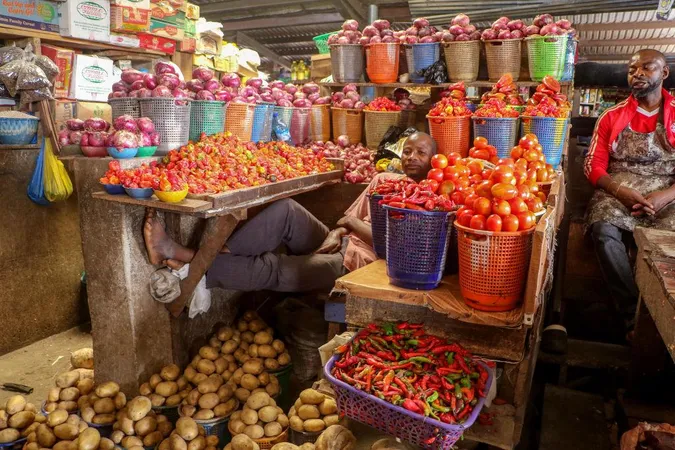
Nigeria's Inflation Drops, But Food Prices Remain High

Jollof rice prices drop 11.5% in Nigeria, households still struggle
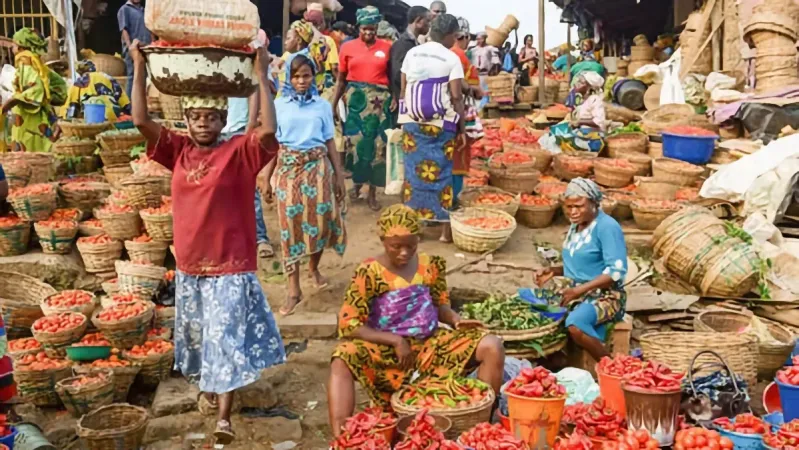
Nigeria's Inflation Drops, Yet Households Struggle in 2026
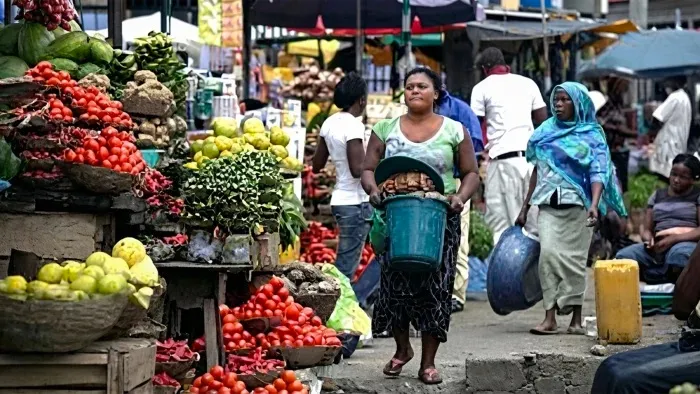
Nigeria Faces Deepening Cost-of-Living Crisis Amid Price Hikes

Jollof Rice Costs Drop 11.5% as Chicken Prices Fall
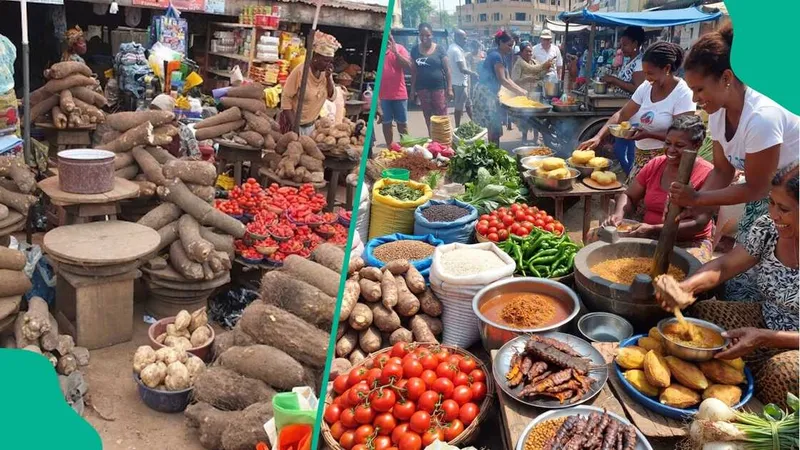
Nigeria's Food Prices Drop: Key Staples Cheaper in 2026
Get Plus234Feed on messaging apps
Same headlines, delivered where you already scroll.