

Nigeria's Inflation Drops, Yet Households Struggle in 2026
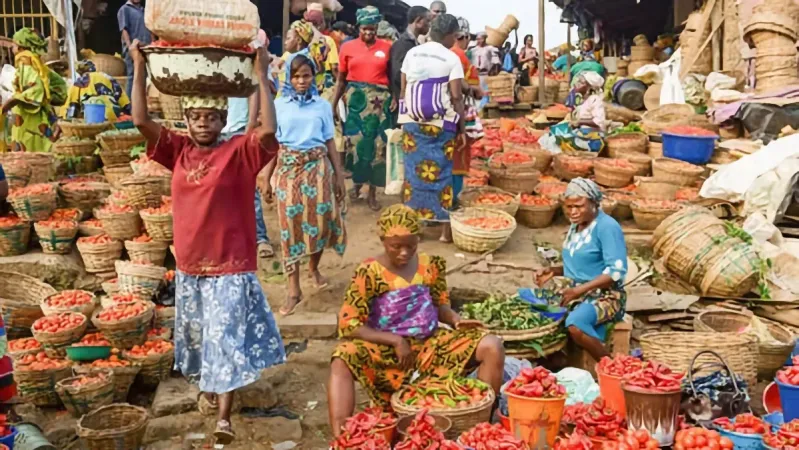
Nigeria's inflation rate decreased to 14.63 percent in September 2026 from 15.39 percent in August, according to the National Bureau of Statistics. Despite this decline, food inflation remained high at 19.59 percent year-on-year, slightly above the previous month's rate of 19.57 percent.
The World Bank's October 2026 Nigeria Development Update indicated that the economy grew by 4.2 percent in the first half of the year, an increase from 3.9 percent in the same period of 2025. However, the bank emphasized that this growth is insufficient to create enough productive jobs or significantly reduce poverty.
The article outlines five economic problems that continue to burden Nigerians, highlighting the distinction between falling inflation and actual price reductions. While inflation is slowing, many households still struggle with the high costs of essentials, particularly food, which remains a significant financial pressure.
Families with stagnant incomes are unable to afford the same quantity of necessities as before, exacerbating their financial challenges.
Plus234Feed summary based on reporting from The Will. Read the original report below.
Read full article
Continue on The Will
Get the week in one email
Top stories, NPFL results, the naira, every Friday morning. Free, one email a week.
Related Stories
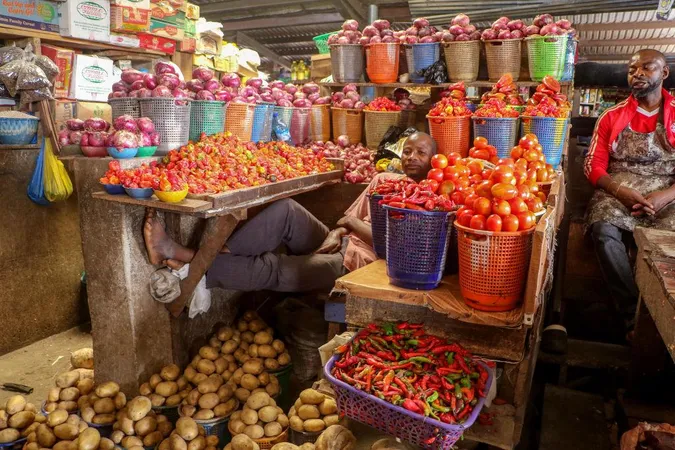
Nigeria's Inflation Drops, But Food Prices Remain High
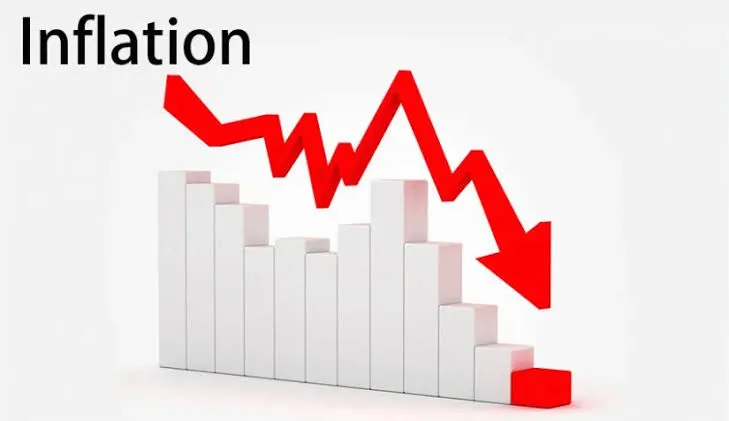
Nigeria's Inflation Drops to 14.63% Amid Rising Energy Costs
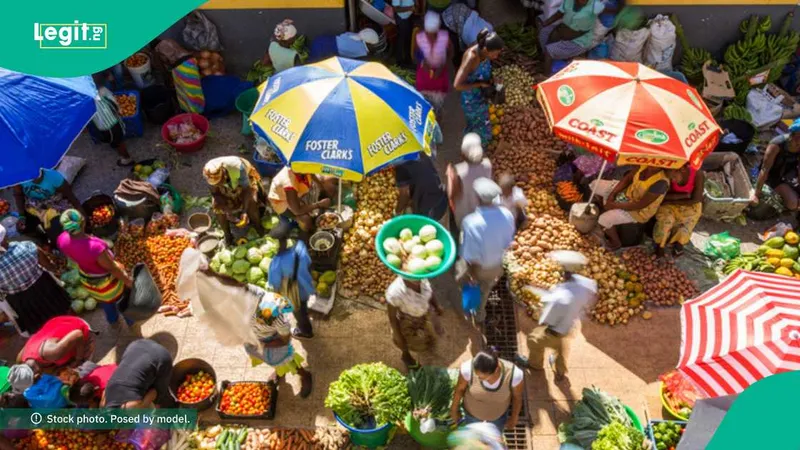
Nigeria's Inflation Drops, Yet Food Prices Remain High
IMF warns of rising poverty risks in Nigeria amid stability
Nigeria's inflation rate edges down to 15.39% in August
Nigeria's Inflation Slightly Decreases to 15.39% in August
Get Plus234Feed on messaging apps
Same headlines, delivered where you already scroll.