

Nigeria's Domestic Borrowing Strains Private-Sector Credit

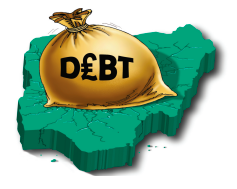
Nigeria's increasing dependence on domestic borrowing is creating competition for bank credit, raising concerns that attractive yields on government securities may limit affordable credit for businesses and households. The Federal Government is financing large fiscal deficits through the domestic market, with Nigerian banks being significant buyers of government securities.
The International Monetary Fund (IMF), in its 2026 Article IV assessment, noted that banks' holdings of government securities account for about 22% of total bank assets. While private-sector credit has marginally expanded, rising to approximately ₦83.43 trillion in July 2026 from ₦81.04 trillion in May, it remains below the February 2026 peak of ₦94.61 trillion.
The IMF projects a 14.2% increase in private-sector credit for 2026. The concern is whether government borrowing will continue to dominate financial resources, hindering long-term lending to manufacturers and SMEs.
The domestic debt market's elevated yields attract various investors, but manufacturers may struggle to secure affordable financing, affecting their investment plans.
Plus234Feed summary based on reporting from Nairametrics. Read the original report below.
Read full article
Continue on Nairametrics
Get the week in one email
Top stories, NPFL results, the naira — every Friday morning. Free, one email a week.
Related Stories
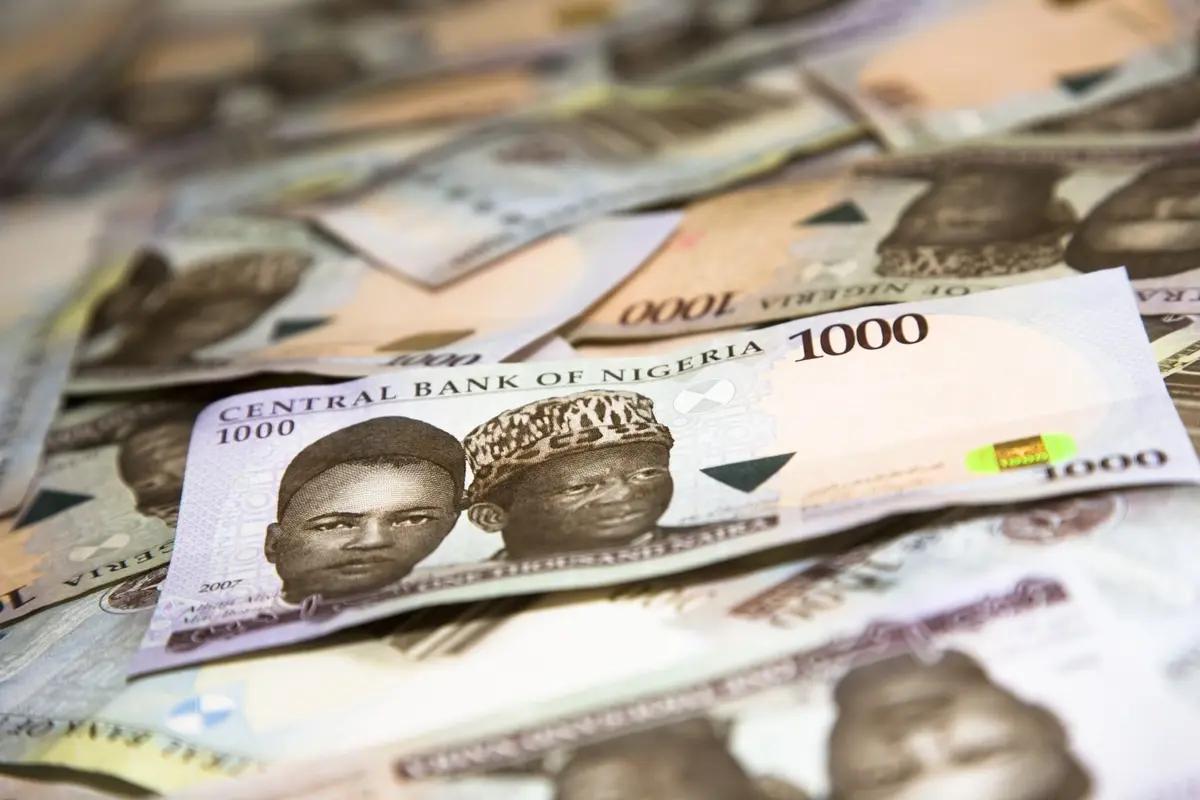
Nigeria's Private Sector Credit Hits N83.43 Trillion
Nigeria's Private Sector Credit Reaches ₦84.55 Trillion
Nigeria's Government Credit Drops to N32.7 Trillion in August
Corporate Borrowing Rises in Nigeria Amid Economic Growth

Nigeria's Private-Sector Credit Falls by N10.31 Trillion
Nigeria's Domestic Debt Service Hits N3.14tn in Q1 2026
Get Plus234Feed on messaging apps
Same headlines, delivered where you already scroll.


