

Nigeria's Fuel Import Dependency Costs $15 Billion Annually
The Centre for the Promotion of Private Enterprise (CPPE) highlighted that Nigeria's heavy reliance on imported fuel incurs an annual cost of $15 billion, significantly weakening the economy and draining foreign exchange reserves. Dr. Muda Yusuf, the Chief Executive of CPPE, criticized a recent World Bank recommendation to increase fuel imports, describing it as deeply troubling.
The World Bank's April 2026 Nigeria Development Update acknowledged improvements in Nigeria's macroeconomic stability but noted that households continue to suffer from high inflation. The CPPE argued that the import regime fosters rent-seeking behavior and structural inefficiencies, leaving Nigeria vulnerable to global energy shocks.
They emphasized the importance of transitioning towards local sufficiency in petroleum supply through private sector investment and supportive policies. The CPPE warned that a return to heavy fuel imports would exacerbate foreign exchange pressures and discourage local investment in refining, ultimately heightening the economy's vulnerability to external shocks.
Plus234Feed summary based on reporting from Daily Trust. Read the original report below.
Read full article
Continue on Daily Trust
Get the week in one email
Top stories, NPFL results, the naira — every Friday morning. Free, one email a week.
Related Stories

CPPE Critiques World Bank's Fuel Import Advice for Nigeria

Domestic Refining Won't Lower Petrol Prices, CPPE Warns
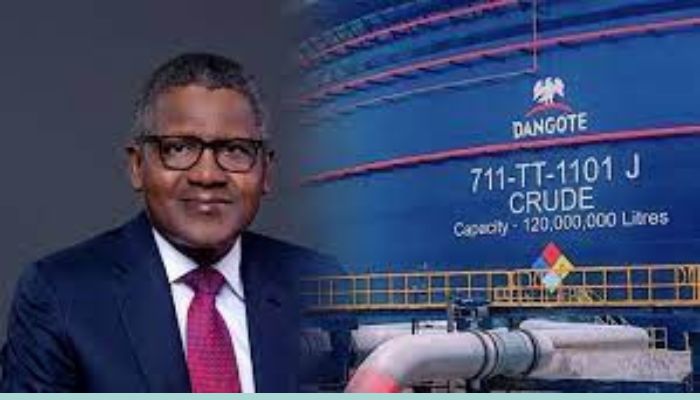
Nigeria's Petrol Imports Drop to $10 Billion in 2025

Local Refining Cannot Prevent Fuel Price Volatility in Nigeria

CPPE Urges Nigeria to Expand Domestic Refining Capacity
Energy Expert Critiques World Bank's Fuel Import Advice
Get Plus234Feed on messaging apps
Same headlines, delivered where you already scroll.


