

IMF Warns of Widening Fiscal Deficits in Africa

A new research paper published by the International Monetary Fund (IMF) reveals that unrealistic budgeting is exacerbating fiscal deficits across sub-Saharan Africa. The study, titled "Budget Credibility in Sub-Saharan Africa," examines the fiscal performance of 39 countries from 2021 to 2024, finding that deviations between budget plans and actual outcomes are widespread and structural rather than temporary.
The IMF indicates that fiscal deficits routinely exceed approved budget projections due to overly optimistic revenue assumptions and recurrent expenditure overspending. The report emphasizes that fiscal slippage in the region reflects deeper institutional weaknesses rather than isolated forecast errors or temporary economic shocks.
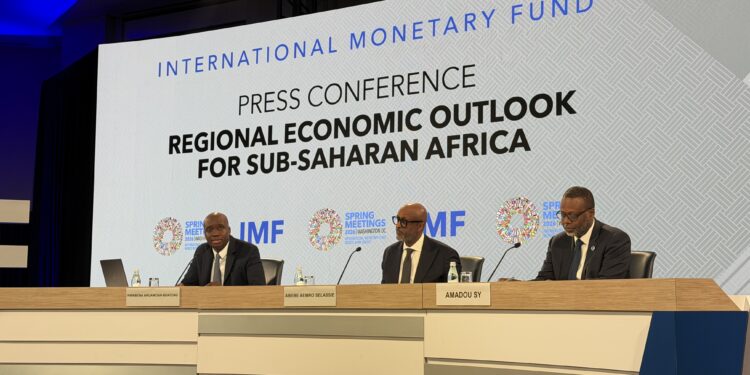
It notes that recurrent spending often exceeds budget ceilings, and infrastructure development projects are frequently delayed, scaled down, or abandoned when revenues underperform. The IMF projects that the median fiscal deficit for sub-Saharan Africa will widen to 3.2% of GDP, with Nigeria's federal government increasing its new borrowing figure to N11.31 trillion, compared to earlier projections of N17.89 trillion, as President Bola Tinubu raises the total budget from N58.4 trillion to N67.4 trillion.
Plus234Feed summary based on reporting from Nairametrics. Read the original report below.
Read full article
Continue on Nairametrics
Get the week in one email
Top stories, NPFL results, the naira — every Friday morning. Free, one email a week.
Related Stories
IMF Projects Sub-Saharan Africa's Fiscal Deficit at 3.2%
World Bank Cuts Sub-Saharan Africa Growth Forecast for 2026
World Bank Warns of Stalling Growth in Sub-Saharan Africa
Nigeria Faces Rising Debt Risks Amid Fiscal Pressures
IMF Report Highlights Nigeria's Fiscal Challenges for 2026
ActionAid Critiques IMF Over Nigeria's Debt Crisis
Get Plus234Feed on messaging apps
Same headlines, delivered where you already scroll.


