

Nigeria Cuts Import Tariffs to Boost Economy Amid Risks
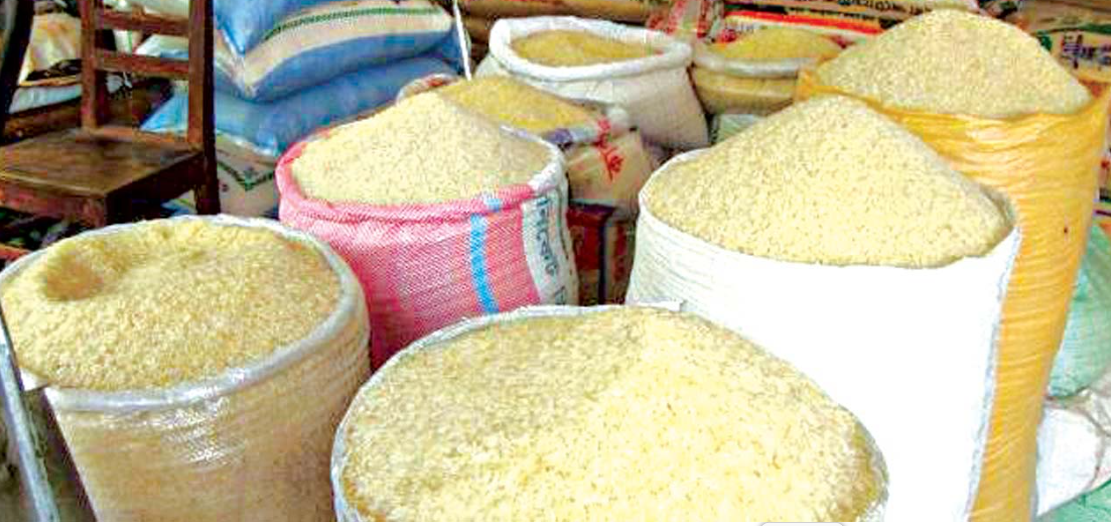
The Nigerian government, through Finance Minister Wale Edun, announced a new policy framework that revises the national tariff regime covering 127 items, effective from April 1, 2023. Key changes include a reduction in import tariffs on essential food items, with bulk rice tariffs dropping from 70% to 30%, and crude palm oil attracting a duty of 28.75%.
The policy aims to stimulate economic activity and address inflationary pressures while supporting industrial growth. However, experts, including Professor Uch Uwalek, caution that the tariff reductions could undermine local production by exposing Nigerian farmers and manufacturers to stiffer competition from cheaper imports, particularly in the rice and automotive sectors.
The government has also approved zero import duties on agricultural machinery and equipment, which could reduce investment costs for businesses. The success of this policy will depend on the ability of local industries to become competitive in the face of these changes.
Plus234Feed summary based on reporting from Daily Trust. Read the original report below.
Read full article
Continue on Daily Trust
Get the week in one email
Top stories, NPFL results, the naira — every Friday morning. Free, one email a week.
Related Stories

FG Cuts Import Tariffs on Key Goods for 2026 Policy

FG Announces Major Tariff Cuts on Key Imports for 2026

Nigeria Bans Key Imports, Introduces Green Tax on Vehicles
Local Rice Farmers Struggle as Imports Surge in Nigeria

Nigeria Restricts Imports of Cement and Fertilizer

Economists Advocate Local Value Addition to Cut Imports
Get Plus234Feed on messaging apps
Same headlines, delivered where you already scroll.


