

Congenital Malaria Affects Newborns in Nigeria: Study

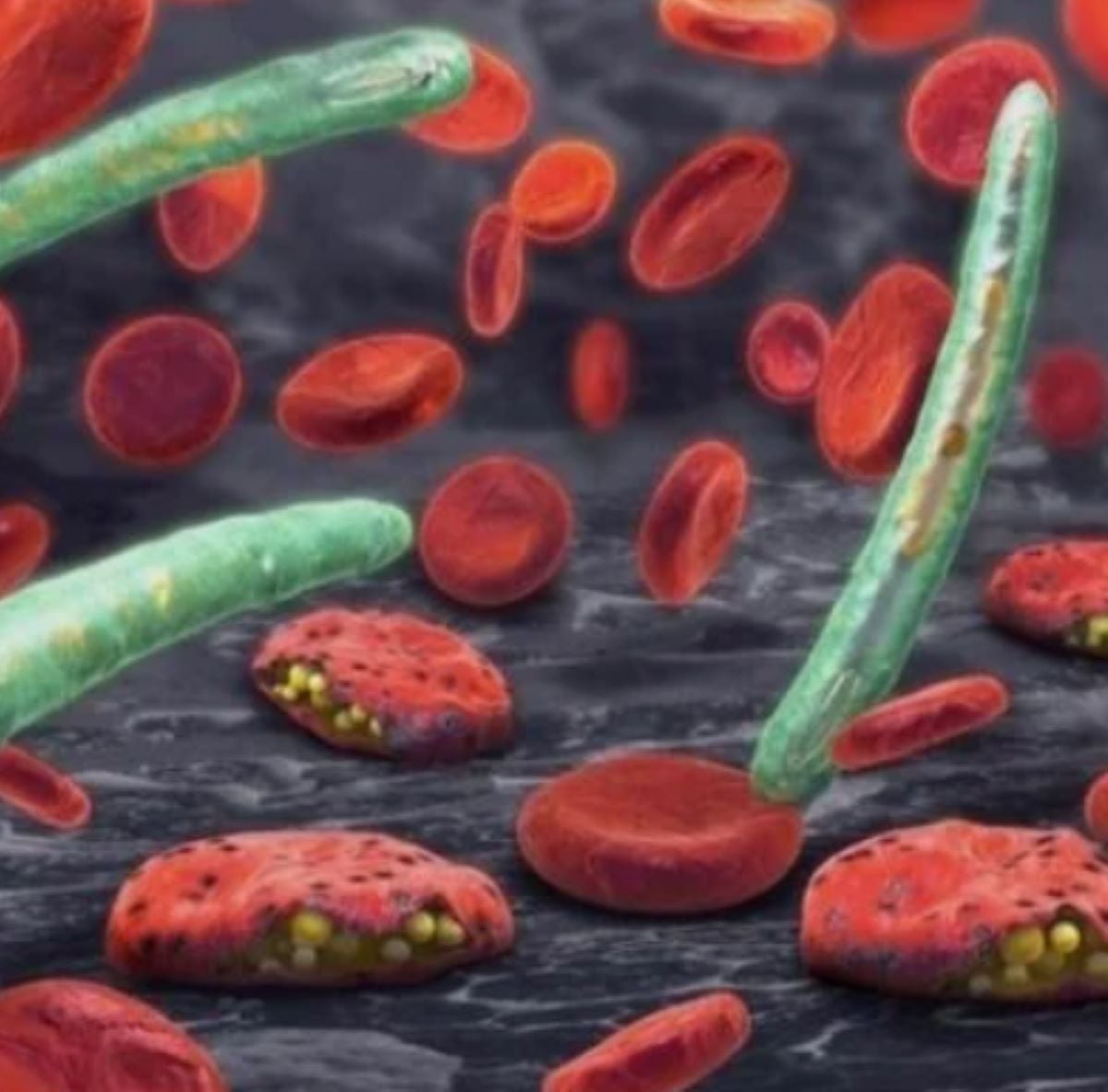
A landmark nationwide review has revealed that congenital malaria continues to affect newborns in Nigeria, with prevalence rates reported between 5.1% and 96.3% across various studies. Conducted by researchers including Emmanuel Kokori, Gbolahan Olatunji, and others, the study highlights congenital malaria as an under-recognized public health challenge in one of the world's most malaria-endemic countries.
The review analyzed data from 12 studies and found that symptoms of congenital malaria, particularly fever, can be mistaken for other serious newborn illnesses, potentially leading to misdiagnosis and delayed treatment. Although treatment outcomes are generally positive, some studies reported severe complications and deaths.
The review noted the reliance on various antimalarial medicines without a standardized treatment protocol and emphasized the vulnerability of pregnant women to malaria due to reduced natural immunity. The researchers called for urgent improvements in malaria screening during pregnancy, better access to antenatal care, and the development of standardized treatment guidelines to enhance early detection and management of congenital malaria.
Plus234Feed summary based on reporting from Nigerian Tribune. Read the original report below.
Read full article
Continue on Nigerian Tribune
Get the week in one email
Top stories, NPFL results, the naira — every Friday morning. Free, one email a week.
Related Stories

Nigeria's Malaria Prevalence Drops to 15% with New Plans
Nigeria Health Watch Advocates Local Data for Malaria Control

Nigeria Launches Infant Malaria Prevention Policy Initiative
Malaria Prevalence in Ondo Drops to 13% Due to Project
Nigeria Launches 215,000 MAMA Kits to Combat Maternal Deaths
Nigeria's Urgent Need to Address Maternal Mortality Rates
Get Plus234Feed on messaging apps
Same headlines, delivered where you already scroll.


