

Urgent Action Needed for Abuja's Indigenous Communities

At a recent workshop titled "50 Years of Abuja: Climate Change and Livelihood," Mr. Adewal Adeoy, a coordinator from the Resource Centre for Human Rights and Civic Education, called for urgent and proactive measures to address the growing impact of climate change on indigenous communities in Abuja. He highlighted that five decades after the creation of the Federal Capital Territory (FCT), indigenous groups such as Koro, Nupe, Gwari, Ganagana, Ebira, and Gade are grappling with the loss of ancestral land and declining living conditions.
The workshop, supported by the MacArthur Foundation, aimed to address the neglect of Abuja's original inhabitants and the need for inclusive development. Mr. Olalekan Adetayo, a former editor at Punch Newspaper, noted the harsh realities faced by these communities due to climate change, including erratic rainfall, altered weather patterns, and resource competition leading to conflicts.
The discussions emphasized the importance of recognizing customary land rights and implementing early warning systems to stabilize vulnerable communities.
Plus234Feed summary based on reporting from This Day. Read the original report below.
Read full article
Continue on This Day
Get the week in one email
Top stories, NPFL results, the naira — every Friday morning. Free, one email a week.
Related Stories
Journalists Urge Action on Climate Change Impact in Abuja
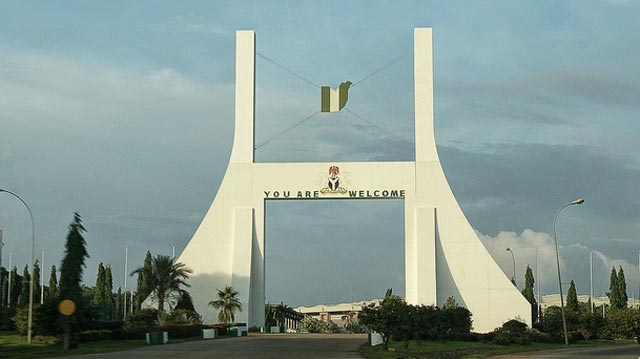
Journalists Urge Action on Climate Impact in Abuja

Environment Minister Calls for Media Action on Climate Crisis
Media's Role in Nigeria's Environmental Future Highlighted
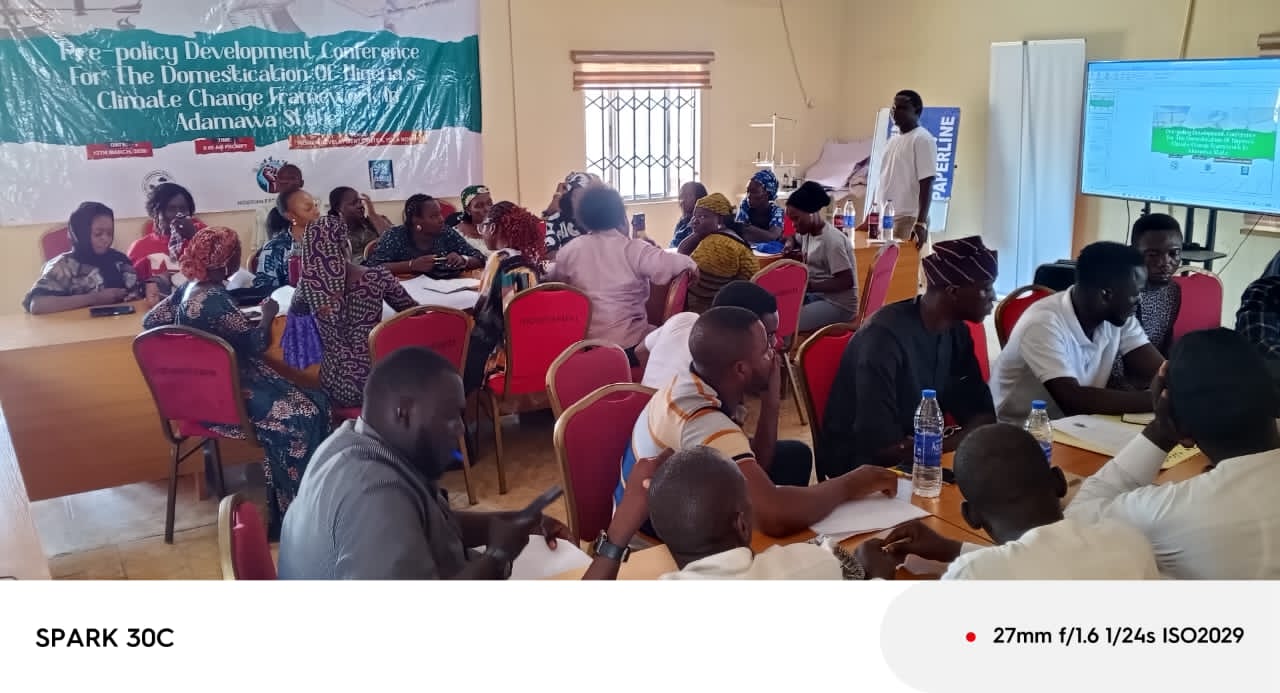
Youth and Women Engage in Climate Change Policy in Adamawa
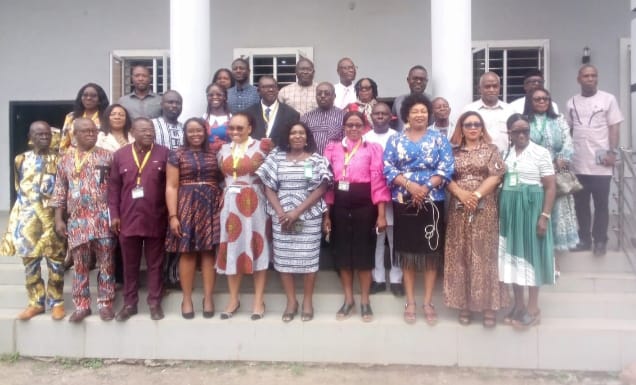
Experts Advocate for Indigenous Crops in Nigeria's Agriculture
Get Plus234Feed on messaging apps
Same headlines, delivered where you already scroll.


