

Challenges in Nigeria's Trade Finance Landscape

In Port Harcourt, a mid-sized oil services firm has secured a subcontract on an offshore Floating Production Storage and Offloading (FPSO) project led by a European EPC contractor. However, the firm faces significant challenges as payment is scheduled for 90 days while mobilization, labor, and vendor costs are immediate.
The firm seeks bank support, but the pricing of available facilities renders the deal unfeasible. This situation exemplifies a broader issue in Nigeria's trade finance, where financing structures often fail to support existing transactions.
The oil sector, historically a cornerstone of Nigeria's global trade, is experiencing shifts due to production volatility caused by infrastructure gaps, underinvestment, and crude theft. Consequently, pre-export facilities are undergoing restructuring, with lenders becoming more cautious.
There is a growing demand for financing solutions tied to refined products and regional distribution, alongside a rising importance of natural gas in LNG exports. Additionally, agricultural commodities are gaining traction, but financing remains a significant barrier for producers.
Plus234Feed summary based on reporting from This Day. Read the original report below.
Read full article
Continue on This Day
Enjoy this article?
Get the weekly Nigerian roundup — top stories, NPFL, naira. One email, Sunday morning.
Related Stories
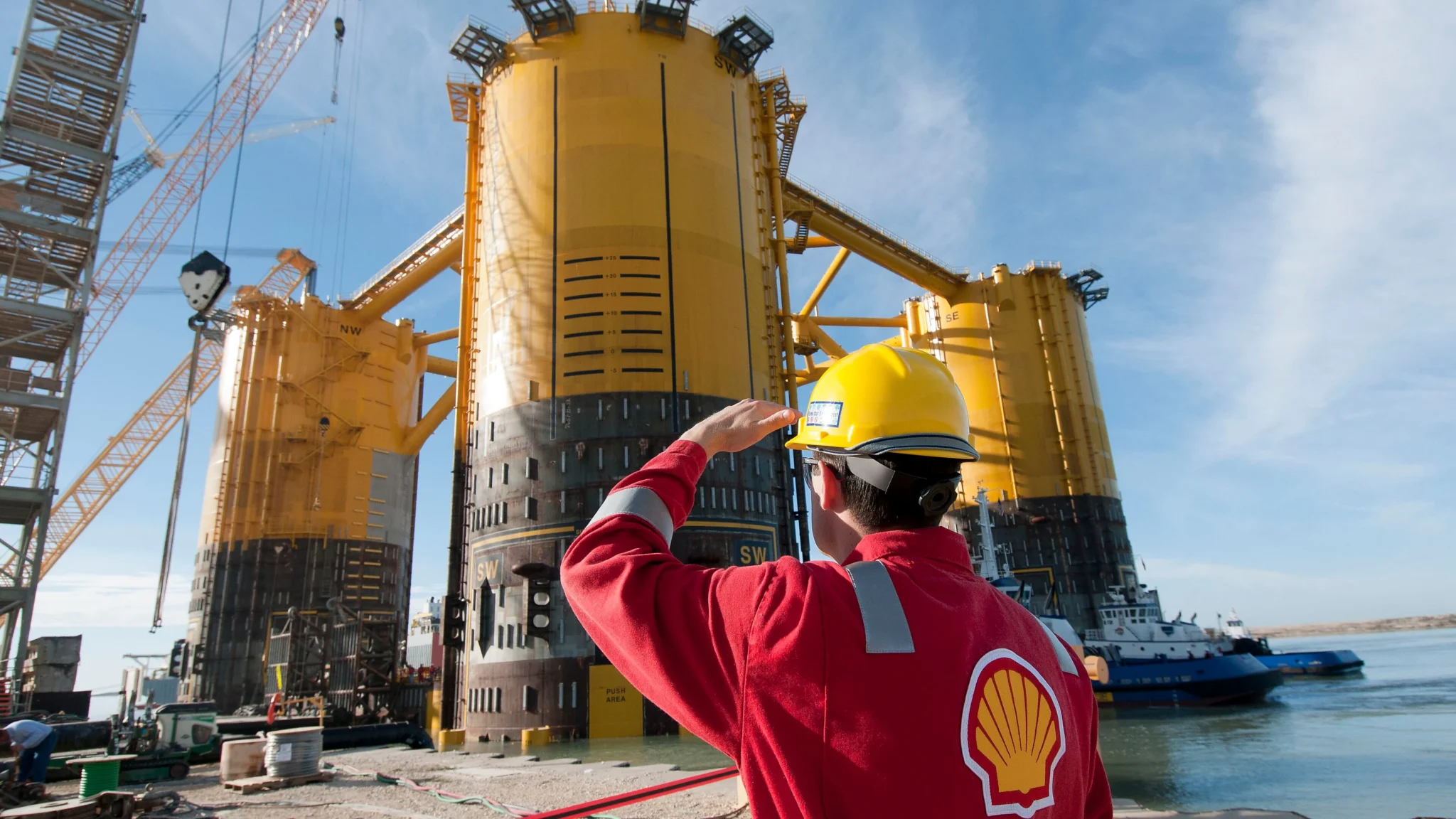
Shell and Banks Launch $3bn Financing for Oil Contractors
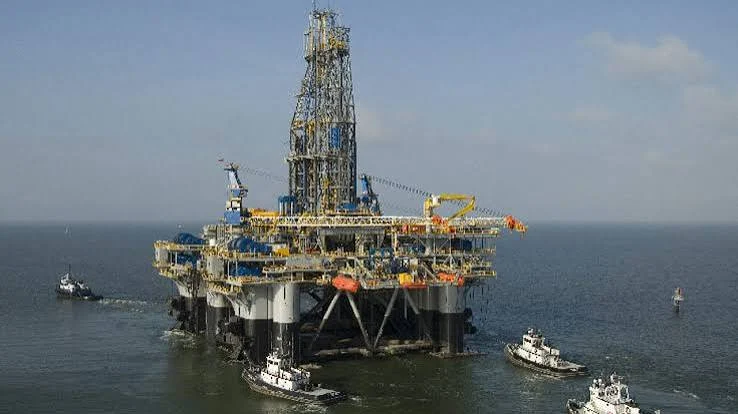
Nigeria's Oil Import FX Demand Soars 115% in 2025
NNPCL and Partners Target $21bn for Bonga Project

Nigeria's Oil Reforms Drive New Offshore Projects Growth
Nigeria's Crude Oil Exports Hit N12.91 Trillion in Q2 2026

Tinubu's Framework to Unlock $50 Billion in Oil Investments
Get Plus234Feed on messaging apps
Same headlines, delivered where you already scroll.


