

Nigeria's Debt Risks Persist Despite Fiscal Improvements

The Nigerian Economic Summit Group (NESG) has warned that Nigeria remains in a high-risk debt zone despite some improvements in fiscal indicators for 2024 and 2025. The NESG's latest assessment of Nigeria's public finance outlook indicates that while debt metrics show a decline, the country's broader fiscal condition remains fragile and susceptible to persistent debt pressures.
The Debt Burden Index (DBI) reflects a decrease in Nigeria's debt stress, dropping from 83.6 points in 2023 to 70.9 points in 2024. However, the NESG cautions that this decline should not be interpreted as an improvement in the country's fiscal health.
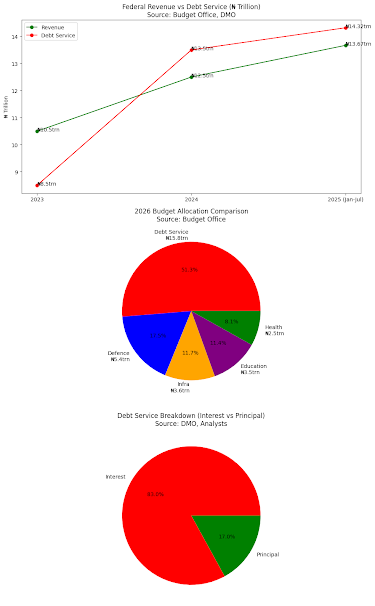
The rising debt-to-GDP ratio highlights Nigeria's continued reliance on borrowing to finance ongoing fiscal deficits. Debt service obligations consume a significant portion of government revenue, and the NESG points to structural weaknesses, poor revenue mobilization, and rising recurrent expenditures as contributing factors to the country's fiscal vulnerabilities.
Without significant reforms to strengthen revenue generation and reduce fiscal leakages, Nigeria's debt burden will continue to pose risks to long-term economic growth.
Plus234Feed summary based on reporting from Nairametrics. Read the original report below.
Read full article
Continue on Nairametrics
Get the week in one email
Top stories, NPFL results, the naira — every Friday morning. Free, one email a week.
Related Stories

NESG Warns Nigeria on Rising External Debt Risks
Nigeria's Debt Hits N159.28 Trillion Amid Fiscal Crisis
IMF Warns Nigeria on Rising Public Debt Concerns

Nigeria's Presidency Defends Rising Debt Compared to Peers
Nigeria's Public Debt Reaches ₦159.28 Trillion in 2025
IMF Predicts Decline in Nigeria's Debt-to-GDP Ratio
Get Plus234Feed on messaging apps
Same headlines, delivered where you already scroll.


