

Study Links Stress and Economic Hardship to Obesity

A recent peer-reviewed study in Nigerian public health research indicates that chronic stress and economic hardship are major contributors to the rising obesity rates in Nigeria and other low-income communities. The research highlights how prolonged exposure to economic uncertainty activates biological stress pathways that affect appetite regulation and fat storage, while limited access to nutritious food and safe physical activity spaces exacerbates the issue.
The findings reflect the daily realities faced by millions of households in Nigeria, where obesity is increasingly recognized as a public health concern influenced by factors beyond individual dietary choices. The study situates Nigeria within a broader African context, noting the pressures created by rapid urbanization, rising living costs, and persistent poverty.
It argues that without addressing underlying factors, efforts to prevent obesity will be inadequate. The paper outlines evidence-based solutions relevant to Nigeria, including community-based nutrition programs and stress management interventions, and calls for a coordinated response across health, economic, and social policy sectors.
Plus234Feed summary based on reporting from This Day. Read the original report below.
Read full article
Continue on This Day
Get the week in one email
Top stories, NPFL results, the naira — every Friday morning. Free, one email a week.
Related Stories
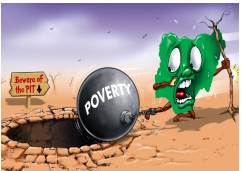
Nigeria Faces Rising Poverty and Malnutrition Crisis

Nigeria's Economic Crisis: A Deep Moral Dilemma

Insecurity and Poverty Crisis in Northern Nigeria
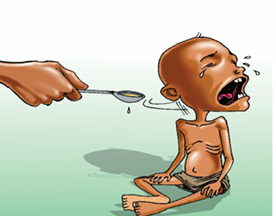
Nigeria Faces Severe Malnutrition Crisis Amid Rising Food Prices and Insecurity
UN Warns of Severe Hunger Crisis in Nigeria and West Africa

Report Warns of Worsening Poverty Crisis in Nigeria, Urges Coordinated Action
Get Plus234Feed on messaging apps
Same headlines, delivered where you already scroll.


