Nigerian Aviation at 66: Growth Amidst Ongoing Challenges
Nigerian aviation has experienced substantial growth since independence, marked by the establishment of key institutions and regulatory frameworks. The country joined the International Civil Aviation Organisation (ICAO) in 1962, and the Nigerian Airports Authority was created in 1976 to manage federal airports.
Despite these advancements, experts note that the industry has not developed at the expected pace given Nigeria's size, population, and economic potential. The sector has seen significant safety and infrastructure improvements and produced internationally recognized aviation professionals.
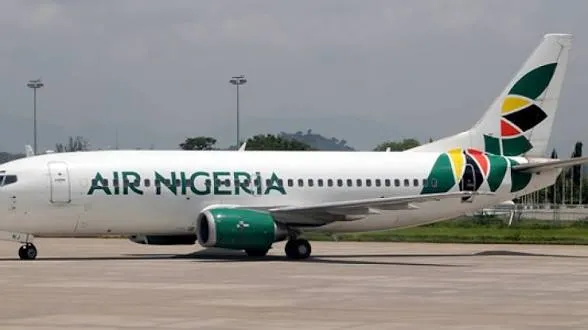
However, challenges persist, including high operating costs, struggles with foreign exchange and fuel prices, and aging airport infrastructure. The once-prominent national carrier has disappeared, and ambitious plans for a competitive aviation hub have been hindered by policy reversals and inadequate financing.
The aviation industry's journey reflects both remarkable growth and missed opportunities, leaving many issues unresolved decades after gaining independence.
Plus234Feed summary based on reporting from Blueprint. Read the original report below.
Read full article
Continue on Blueprint
Get the week in one email
Top stories, NPFL results, the naira, every Friday morning. Free, one email a week.
Related Stories

Nigerians Urged to Choose Visionary Leaders for Future
Nigerian Aviation Sector Faces Crisis Amid High Costs

Nigeria's 66 Years of Independence Marked by Corruption

Nigeria Celebrates 66 Years of Independence Amid Challenges

Tinubu's Economic Reforms Amid Nigeria's Independence Reflection

Nigeria Achieves 1 Million Domestic Aviation Seats in 2026
Get Plus234Feed on messaging apps
Same headlines, delivered where you already scroll.