

Nigeria's Mining Sector Faces Regulatory Challenges

Nigeria's mining sector, which holds vast resources including gold, lithium, zinc, limestone, and coal, is valued at approximately $700 billion. Despite its potential, the sector contributes less than 2% to the nation's GDP as of early 2025.
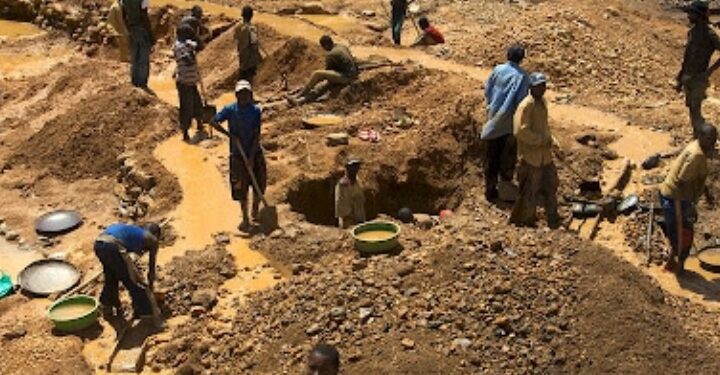
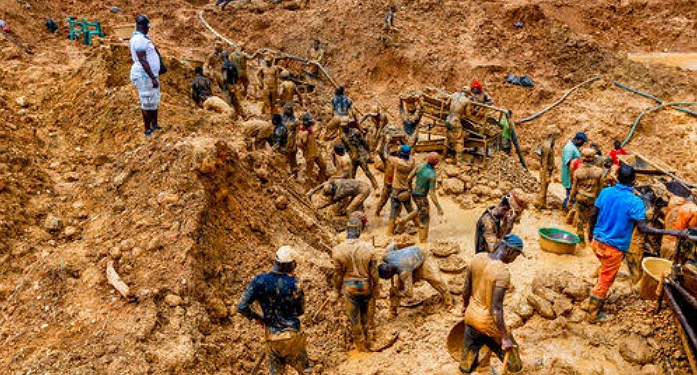
The landscape is troubled by insecurity and criminal enterprises, particularly in mining-rich regions such as Zamfara, Katsina, Niger, Nasarawa, Kebbi, Adamawa, Plateau, and the Federal Capital Territory. Illegal mining operations are prevalent, often controlled by armed groups and criminal syndicates, exploiting weak regulatory enforcement.
The federal government, under the leadership of Minister of Solid Minerals Dele Alak, is initiating significant reforms, including the establishment of 388 mining centers by 2024 to formalize transactions and curb illegal trade. A special unit from the Nigerian Security and Civil Defence Corps (NSCDC) has been deployed to identify illegal mining sites, resulting in the sealing of 640 locations and the arrest of 350 suspects by late 2025.
However, challenges remain, including weak enforcement, corruption, and inadequate data systems.
Plus234Feed summary based on reporting from Blueprint. Read the original report below.
Read full article
Continue on Blueprint
Get the week in one email
Top stories, NPFL results, the naira — every Friday morning. Free, one email a week.
Related Stories

Nigeria's Mining Sector: Need for Enhanced Regulation
NEITI Report Uncovers Revenue Losses in Nigeria's Mining Sector
Nigeria's Mining Sector Sees N686.96 Billion VAT in 2025

Nigeria's Mining Sector Attracts $2.6 Billion Investment
Nigeria's Mining Sector Sees CIT Rise to N723.33 Billion
NEITI Warns of Illicit Mining's Impact on Nigeria's Wealth
Get Plus234Feed on messaging apps
Same headlines, delivered where you already scroll.


