

Nigeria Struggles with Low Cooking Gas Adoption, Stakeholders Propose Strategies
Nigerian stakeholders address the low adoption of cooking gas, with per capita consumption lagging behind African peers due to affordability and infrastructure challenges. Approximately 12 million households have access to LPG, a significant improvement from previous years but insufficient for the country's population.
To promote energy stability and clean cooking access by 2030, strategies include fiscal incentives, infrastructure development, public engagement, and investment in the LPG sector. The Nigerian government plans to increase LPG consumption through various measures, including VAT modifications, import duty reductions, and investment in storage and delivery facilities.
Plus234Feed summary based on reporting from Daily Trust. Read the original report below.
Read full article
Continue on Daily Trust
Get the week in one email
Top stories, NPFL results, the naira — every Friday morning. Free, one email a week.
Related Stories

Cooking Gas Prices Drop in Nigeria Amid Improved Supply

Nigeria's Cooking Gas Market Sees Price Surge Amid Import Decline
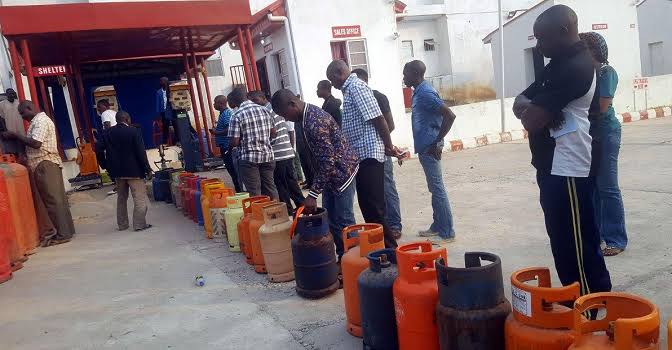
Nigeria's Cooking Gas Prices Drop Sharply Amid Supply Challenges
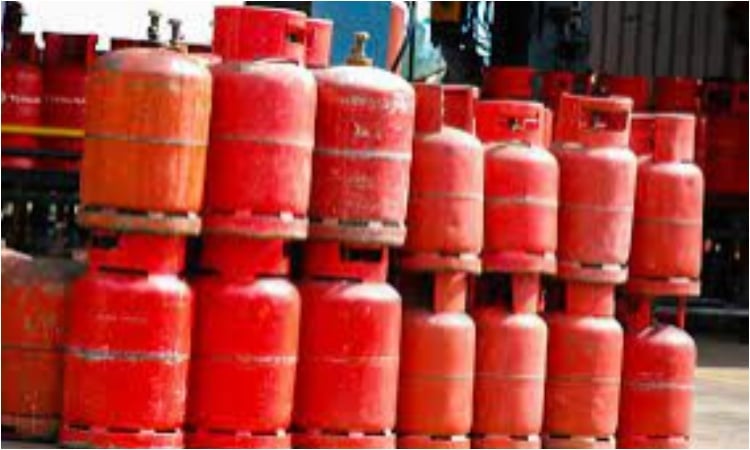
Retail Price of LPG in Nigeria Drops to 1,000 Naira per Kilogram Amid Improved Supply Chain

Slow Adoption of CNG in Nigeria Due to Refueling Station Shortage
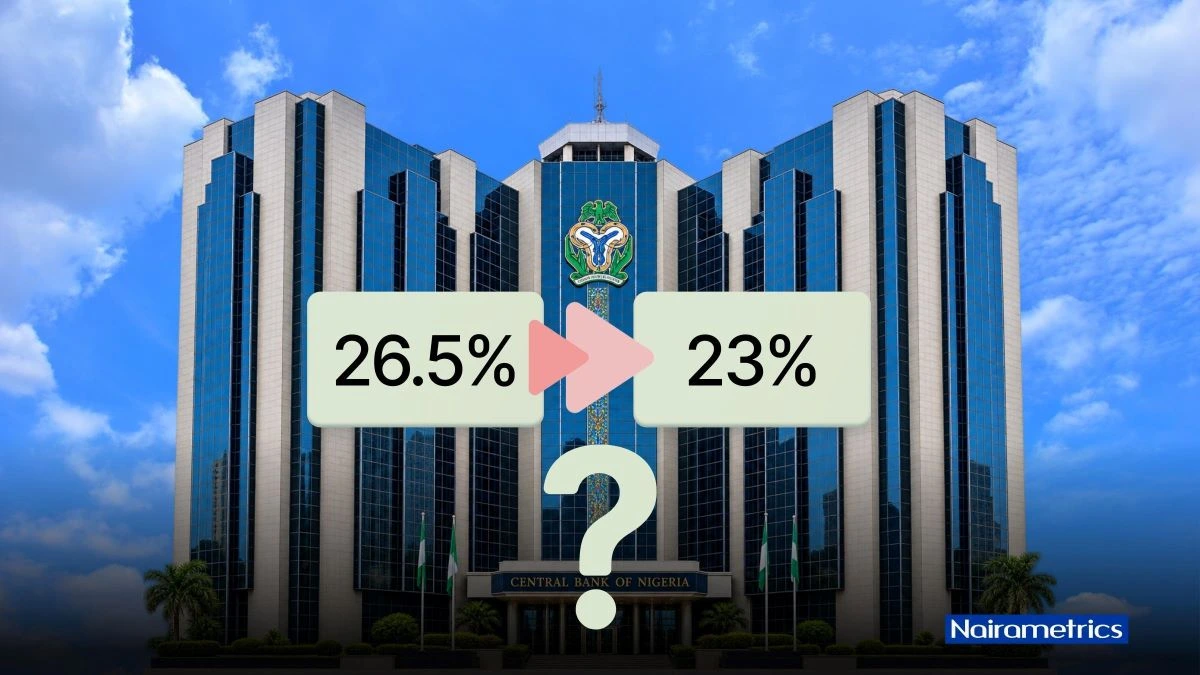
CBN Lowers Monetary Policy Rate to 23% Impacting Investments
Get Plus234Feed on messaging apps
Same headlines, delivered where you already scroll.


