

Nigeria Leverages China's Zero-Tariff Policy for Growth

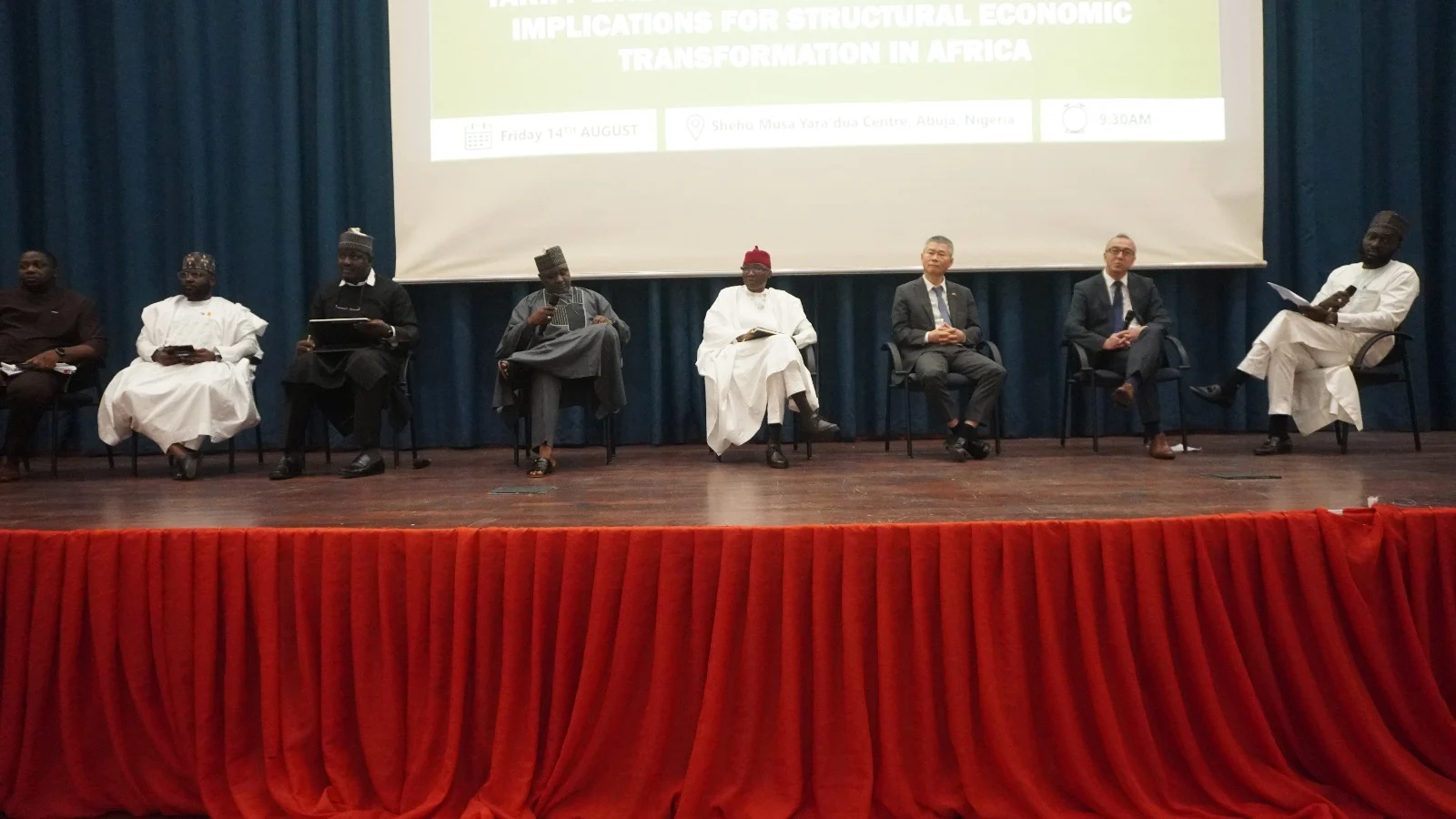
The Federal Government of Nigeria is advocating for Africa to utilize China's new zero-tariff policy to transition from exporting raw materials to producing value-added goods. This was the consensus at an International Seminar on “China’s Zero-Tariff Treatment for African Countries and Its Implications for Structural Economic Transformation of Africa” held at the Shehu Yar’Adua Conference Centre in Abuja.
Ambassador Dunoma Umar Ahmed, PhD, Permanent Secretary of the Ministry of Foreign Affairs, emphasized that the policy offers a strategic opportunity, contingent on Africa's productive capacity. Under President Bola Ahmed Tinubu's Renewed Hope Agenda, Nigeria seeks to attract investors to build factories and develop industries.
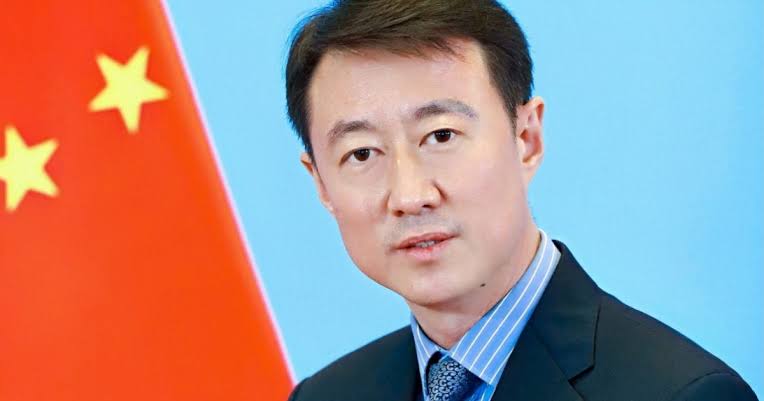
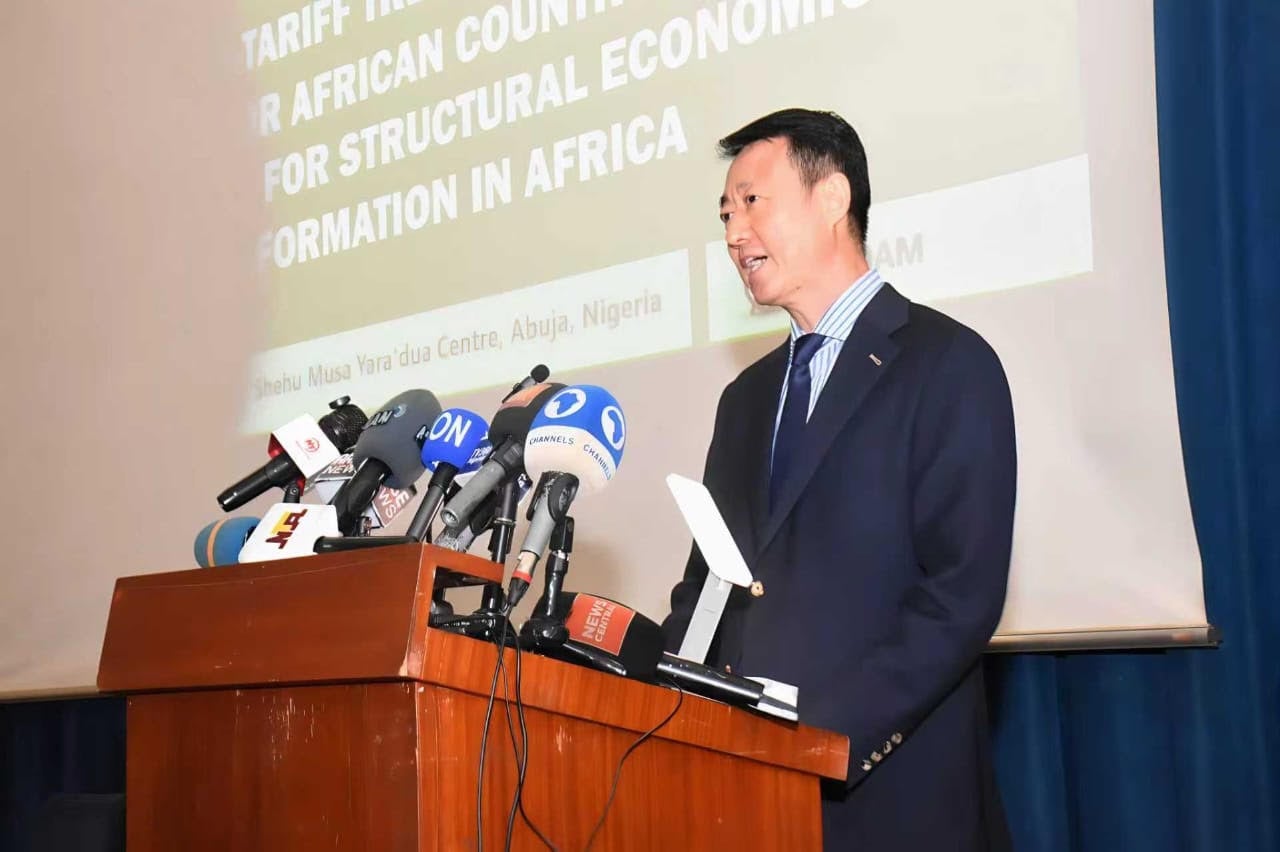
Chinese Ambassador to Nigeria, H.E. Yu Dunhai, noted that the zero-tariff policy, effective from May 1, 2026, has already resulted in a significant increase in Nigeria-China trade, reaching $18 billion in H1 2026.
He proposed priorities for maximizing the policy's impact, including improving product quality and expanding local processing.
Plus234Feed summary based on reporting from Federal Ministry of Information. Read the original report below.
Read full article
Continue on Federal Ministry of Information
Enjoy this article?
Get the weekly Nigerian roundup — top stories, NPFL, naira. One email, Sunday morning.
Related Stories
China’s Zero-Tariff Policy: A Game Changer for Nigeria
Nigeria Urged to Export Value-Added Products Post Zero-Tariff
Nigeria's Exports to China Surge 81% in 2026
Nigeria-China Trade Hits $18bn After Zero-Tariff Policy
Nigeria Gains Duty-Free Access to Chinese Tariffs
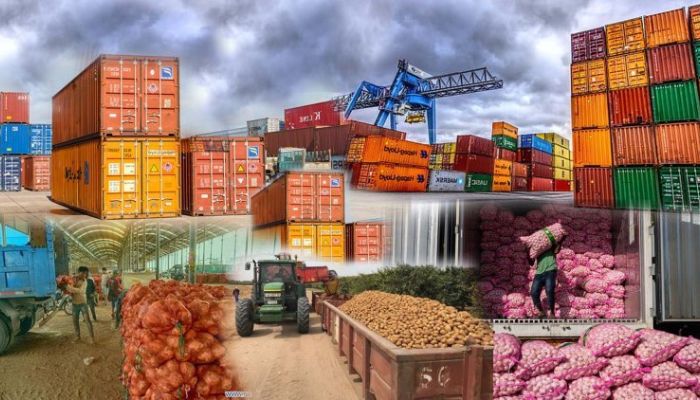
China's Zero-Tariff Policy Enhances African Exports
Get Plus234Feed on messaging apps
Same headlines, delivered where you already scroll.


