

Nigeria's Airfare War Threatens Aviation Industry Stability

The airfare war in Nigeria is causing significant distortions in the aviation market, with state-backed airlines slashing ticket prices, which raises concerns about the industry's sustainability. Stakeholders are worried that the current pricing strategies do not reflect operational costs, leading to potential long-term consequences.
The competition has resulted in fares that do not appear commercially viable, particularly on domestic routes such as Lagos to Accra, where operational costs exceed advertised fares. This situation is exacerbated by government support that allows airlines to operate below market prices, raising questions about market fairness and the sustainability of private airlines.
The reliance on public funds for operational support could lead to fewer choices and higher prices for consumers in the future. Recent reports indicate that state governments have committed hundreds of billions of naira to airline ventures, intensifying concerns about the transparency of these investments and their impact on public resources.
The need for full disclosure regarding operational expenses and financial arrangements is critical to ensure accountability in the aviation sector.
Plus234Feed summary based on reporting from This Day. Read the original report below.
Read full article
Continue on This Day
Get the week in one email
Top stories, NPFL results, the naira — every Friday morning. Free, one email a week.
Related Stories
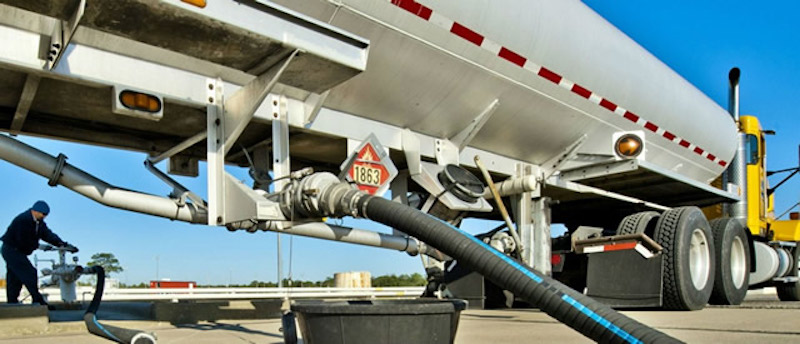
Nigerian Airlines Struggle Amid Rising Aviation Fuel Costs

Nigeria's Aviation Sector Faces High Operational Costs
Nigeria's Airline Operations Among World's Costliest: IATA

Nigerian Airlines Seek Tinubu's Help Over Rising Costs
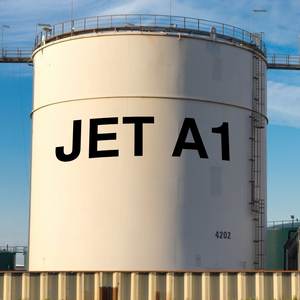
Nigerian Airlines Threaten Route Cuts Over Fuel Costs
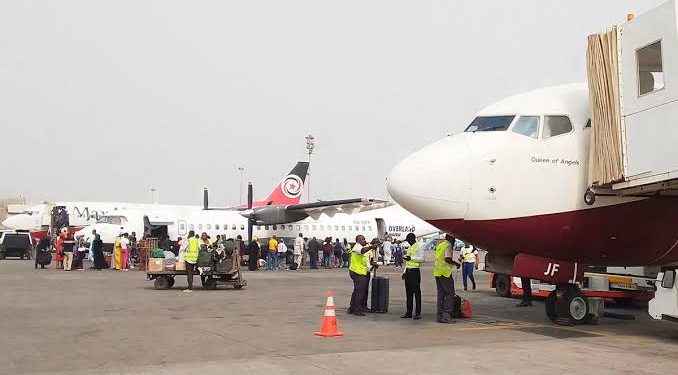
Stakeholders Warn of Economic Impact from Airline Disruptions
Get Plus234Feed on messaging apps
Same headlines, delivered where you already scroll.


