

Nigeria's Inflation Crisis: Poor Economic Policies Fuel Price Surge

Nigeria's inflation crisis is a self-inflicted problem stemming from poor economic policies, excessive borrowing, and heavy reliance on imports for essential goods. The government's response, including raising taxes, removing subsidies, and floating the currency, has worsened the situation, causing prices to skyrocket.
The inflation rate outpaces wage growth, exacerbating poverty levels. To address the crisis, Nigeria needs to focus on producing more locally, reducing imports, investing in manufacturing, and eliminating wasteful projects.
Real solutions are required to rebuild the value of the currency and boost actual productivity.
Plus234Feed summary based on reporting from Uhurutimes. Read the original report below.
Read full article
Continue on Uhurutimes
Get the week in one email
Top stories, NPFL results, the naira — every Friday morning. Free, one email a week.
Related Stories
Taming Inflation Headwinds in Nigeria's Economy
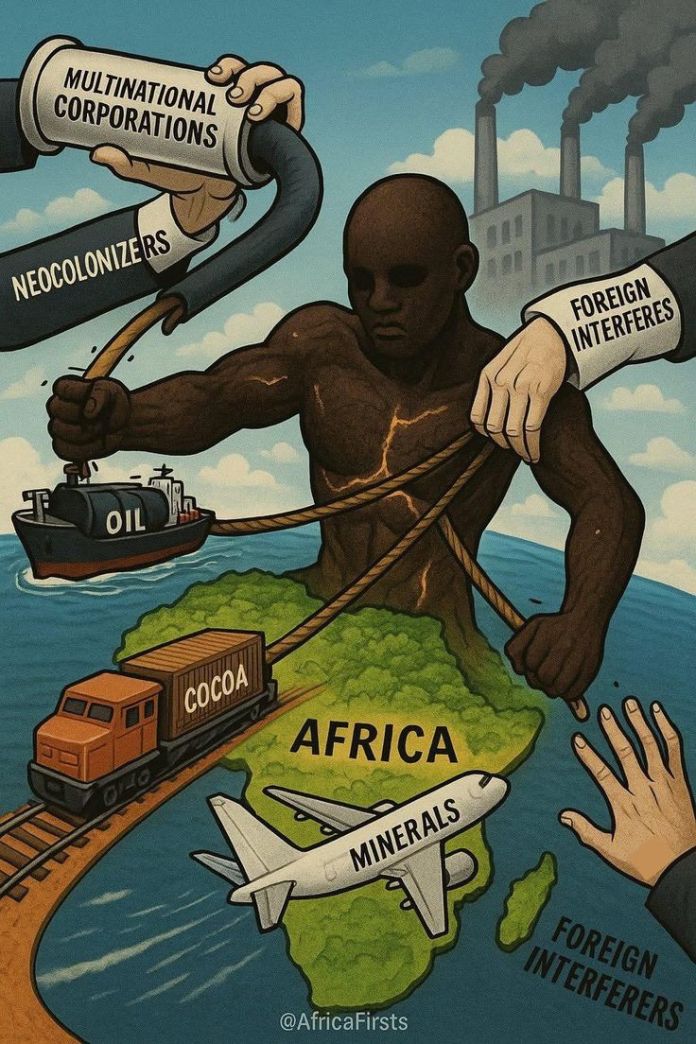
Nigeria's Economic Crisis: A Nation Struggling with Debt and Declining Exports
World Bank Warns Nigeria's Single-Digit Inflation Goal Unrealistic
World Bank Urges Nigeria to Tackle Food Inflation Amid Economic Progress
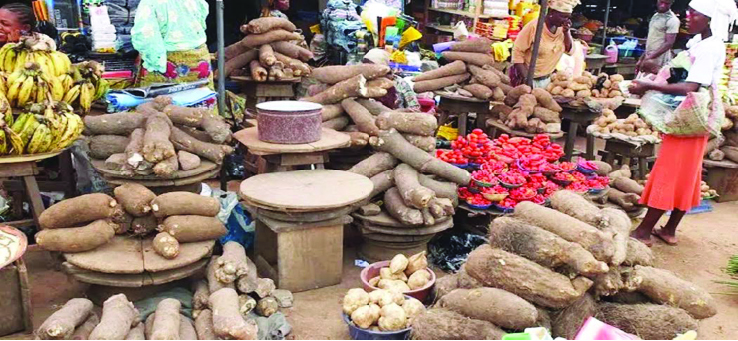
Nigerian Citizens Struggle Amid Rising Inflation and Soaring Living Costs
Nigeria and Others Face Rising Borrowing Costs Amid Policy Weaknesses, Moody's Report Reveals
Get Plus234Feed on messaging apps
Same headlines, delivered where you already scroll.


