

Nigeria's N20.12 Trillion Budget Deficit Risks Crowding Out Private Sector Credit, Analysts Warn

Analysts in Nigeria have raised concerns over the country's N20.12 trillion budget deficit for the 2026 fiscal year, highlighting the potential negative impact on the private sector. The deficit is expected to limit access to credit for businesses, as the government plans to finance 71.1% of the total deficit through domestic borrowing.
This heavy reliance on borrowing may trigger high interest rates, reducing credit availability for corporations and intensifying competition for limited financial resources. Experts, including Blakei Ijezi and David Adonri, have warned that the crowding out effect could lead to higher yields, limiting liquidity in the financial system and posing risks to long-term growth.
Nigeria's increasing domestic borrowing, which rose from N2.34 trillion in 2021 to N8.58 trillion in 2024, has raised questions about the sustainability of the proposed N14.30 trillion domestic borrowing for 2026. This move comes amidst tightening financial conditions, with interest rates remaining high and liquidity tight, making it challenging for the private sector to secure affordable funding.
Plus234Feed summary based on reporting from Nairametrics. Read the original report below.
Read full article
Continue on Nairametrics
Get the week in one email
Top stories, NPFL results, the naira — every Friday morning. Free, one email a week.
Related Stories
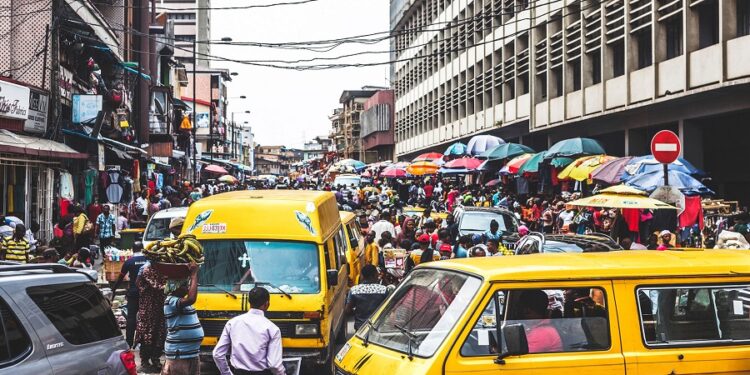
Economist Warns of N30 Trillion Revenue Gap Threatening Nigeria's Fiscal Stability
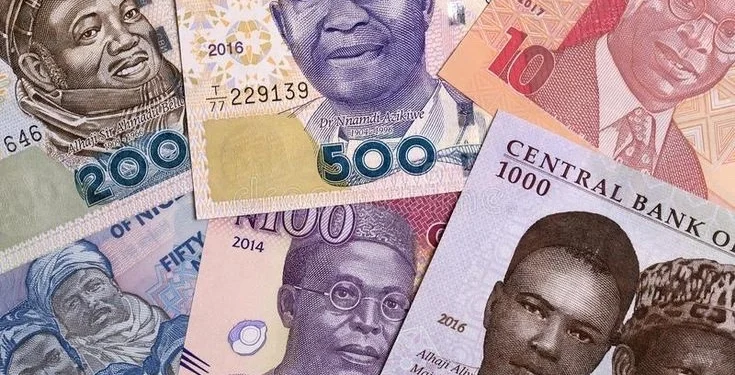
Nigeria's Private Sector Credit Drops to N75.24 Trillion

Nigeria's Private Sector Credit Drops 2.8% to N75.24trn

Nigerian Private Sector Credit Hits N75.83 Trillion in December Amid Government Borrowing Surge

Nigerian Businesses Struggle as Government's Domestic Borrowing Surges, Draining Credit from Private Sector
Nigeria's 2026 Budget: Debt Servicing to Consume 27%, Tinubu Proposes Fiscal Reforms
Get Plus234Feed on messaging apps
Same headlines, delivered where you already scroll.


