

Nigeria's National Grid Faces Severe Gas Supply Shortage
The National Independent System Operator (NISO) has reported that Nigeria's national grid is receiving only one-third of the necessary gas supply, which has severely impacted electricity generation across the country. The current average generation capacity stands at approximately 4,300 megawatts, primarily due to inadequate gas supply to thermal generation stations, which dominate Nigeria's energy mix.
As of February 23, 2026, the actual gas supply to these stations was about 692 million standard cubic feet (mmscf), representing a significant shortfall of 43% from the required daily supply of approximately 1,629.75 mmscf. This gas supply deficiency has constrained generation output, leading to a drop in total system generation and the implementation of load shedding by the Independent System Operator to maintain grid stability.
NISO expressed regret over the inconvenience caused to electricity consumers and stated that efforts would continue to work closely with relevant stakeholders to ensure full energy allocation as gas supply improves.
Plus234Feed summary based on reporting from Daily Trust. Read the original report below.
Read full article
Continue on Daily Trust
Get the week in one email
Top stories, NPFL results, the naira — every Friday morning. Free, one email a week.
Related Stories
Gas Supply Constraints Reduce Nigeria's Power Generation
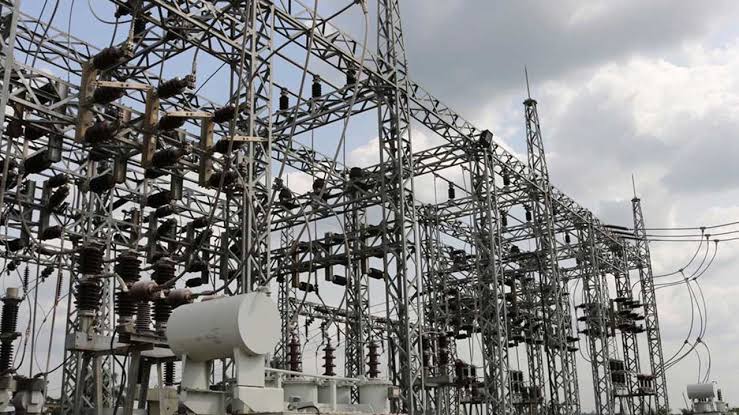
Nigeria's Power Output Falls to 4,300MW Amid Gas Shortage
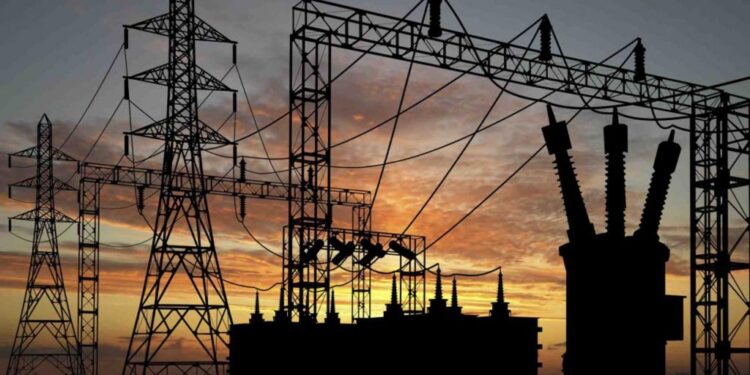
February Power Outages in Nigeria Linked to Gas Supply Issues
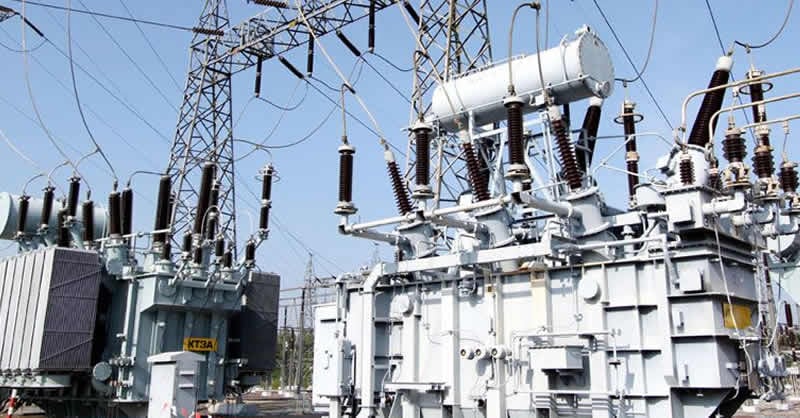
Nigeria's Power Generation Falls Below 4,000MW Due to Gas Shortage
Nigeria's Power Supply Drops to 4,300MW Due to Gas Shortage
NNPC Maintenance to Temporarily Reduce Electricity Supply in Nigeria
Get Plus234Feed on messaging apps
Same headlines, delivered where you already scroll.


