

Banditry Crisis in Northern Nigeria: A Growing Threat

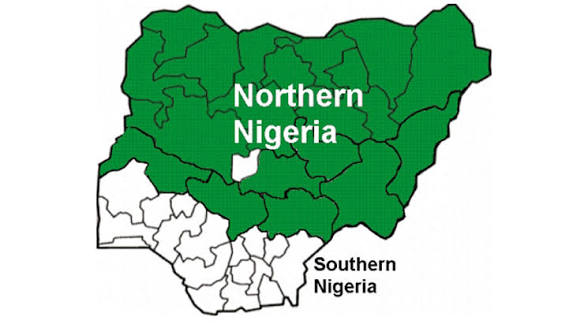
Banditry in Northern Nigeria has transformed into a significant security challenge, blurring the lines between organized crime and terrorism. The crisis, which affects millions across states like Zamfara, Katsina, and Kaduna, involves mass kidnappings, deadly village raids, and the displacement of entire communities.
Armed groups, commonly referred to as bandits, conduct relentless attacks, looting properties, burning homes, and abducting residents for ransom. This has led to a rise in food insecurity as farmers abandon their lands, contributing to economic decline.
Recent military operations in Plateau State have reportedly neutralized several bandits, but these victories are often temporary as groups regroup and retaliate. Analysts express concern over potential links between bandits and extremist groups like Boko Haram and the Islamic State West Africa Province.
The crisis is driven by poverty, unemployment, and environmental pressures, necessitating comprehensive solutions rather than solely military responses. The classification of banditry as terrorism remains debated, highlighting the complexity of the issue.
Plus234Feed summary based on reporting from Blueprint. Read the original report below.
Read full article
Continue on Blueprint
Get the week in one email
Top stories, NPFL results, the naira — every Friday morning. Free, one email a week.
Related Stories
Nigeria's Banditry Crisis: Rising Violence and Insecurity

Nigeria's Banditry Crisis: Schools and Communities Under Siege

Insecurity and Poverty Crisis in Northern Nigeria
North-east Nigeria: The Epicenter of Terrorism Explained

Bandit Attacks Threaten Education in Northern Nigeria

Northern Governors' Accountability in Nigeria's Terrorism Crisis
Get Plus234Feed on messaging apps
Same headlines, delivered where you already scroll.


