

North-east Nigeria: The Epicenter of Terrorism Explained

The North-east region of Nigeria has become the epicenter of terrorism, primarily due to a combination of structural disadvantages, including high poverty levels, limited infrastructure, and lower access to education compared to other parts of the country. The crisis in this area, which includes Borno, Yobe, and Adamawa states, has historical roots that extend beyond recent events.
The emergence of Boko Haram in the early 2000s, initially a religious movement, escalated into armed insurgency in 2009 following violent confrontations with security forces. The region's complex geography, characterized by porous borders with Niger, Chad, and Cameroon, facilitates cross-border movement of armed groups, complicating military operations.
Boko Haram has since fragmented into factions, including those aligned with the Islamic State West Africa Province, while criminal networks and bandit groups have added layers of insecurity. The ongoing violence is driven by environmental pressures, such as desertification and economic hardship, creating conditions that insurgent groups exploit.
Ultimately, the crisis in North-east Nigeria results from a convergence of historical neglect, geographical vulnerabilities, and economic stress.
Plus234Feed summary based on reporting from Blueprint. Read the original report below.
Read full article
Continue on Blueprint
Get the week in one email
Top stories, NPFL results, the naira — every Friday morning. Free, one email a week.
Related Stories
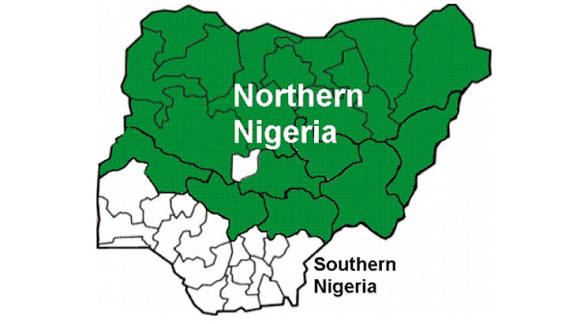
Banditry Crisis in Northern Nigeria: A Growing Threat

North-East Nigeria Sees 1,934 IED Incidents Since 2017

Borno and Yobe States Identified as Terrorism Hotspots

Ndume Warns of Terrorist Threats in Borno State

General Oluyede Names Borno, Yobe as Terrorism Hotspots

Nigeria's Escalating Security Crisis: Terrorism and Kidnapping
Get Plus234Feed on messaging apps
Same headlines, delivered where you already scroll.


