

Nigerian Banks Strengthen Resilience Post-Recapitalization

Nigerian banks are undergoing a transformation post-recapitalization, marking a significant shift in their operational strategies to drive growth and stabilize the economy. The recapitalization exercise, which involved an injection of N4.65 trillion into the banking system over 24 months, has resulted in banks emerging with stronger capital buffers, enhancing their capacity for larger financial transactions.
The International Monetary Fund (IMF) recently recognized the strategic importance of Nigeria's completed bank recapitalization exercise during its spring meeting in Washington, noting that it has already yielded positive results. The IMF emphasized the necessity for financial institutions to maintain strong capital buffers to absorb shocks during periods of economic stress, particularly given the volatility in global oil supply and uncertainties in the global economy.
The recapitalization is seen as a vital safeguard for the financial system, reinforcing confidence among depositors and investors, and positioning banks to support monetary policy objectives, including inflation control and sustainable economic growth.
Plus234Feed summary based on reporting from This Day. Read the original report below.
Read full article
Continue on This Day
Get the week in one email
Top stories, NPFL results, the naira — every Friday morning. Free, one email a week.
Related Stories

IMF Projects Growth and Stability for Nigerian Economy
CBN Completes ₦4.65 Trillion Recapitalization Exercise

IMF Supports CBN Recapitalization to Strengthen Banks
CBN's Recapitalization Program: Strengthening Banks' Capital
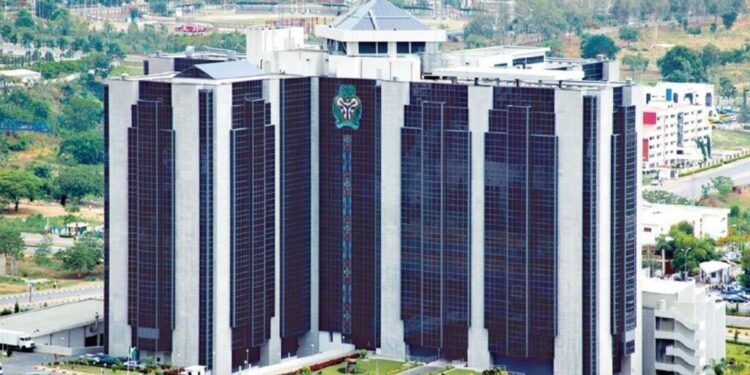
CBN Recapitalization Program Raises ₦4.65 Trillion for Banks
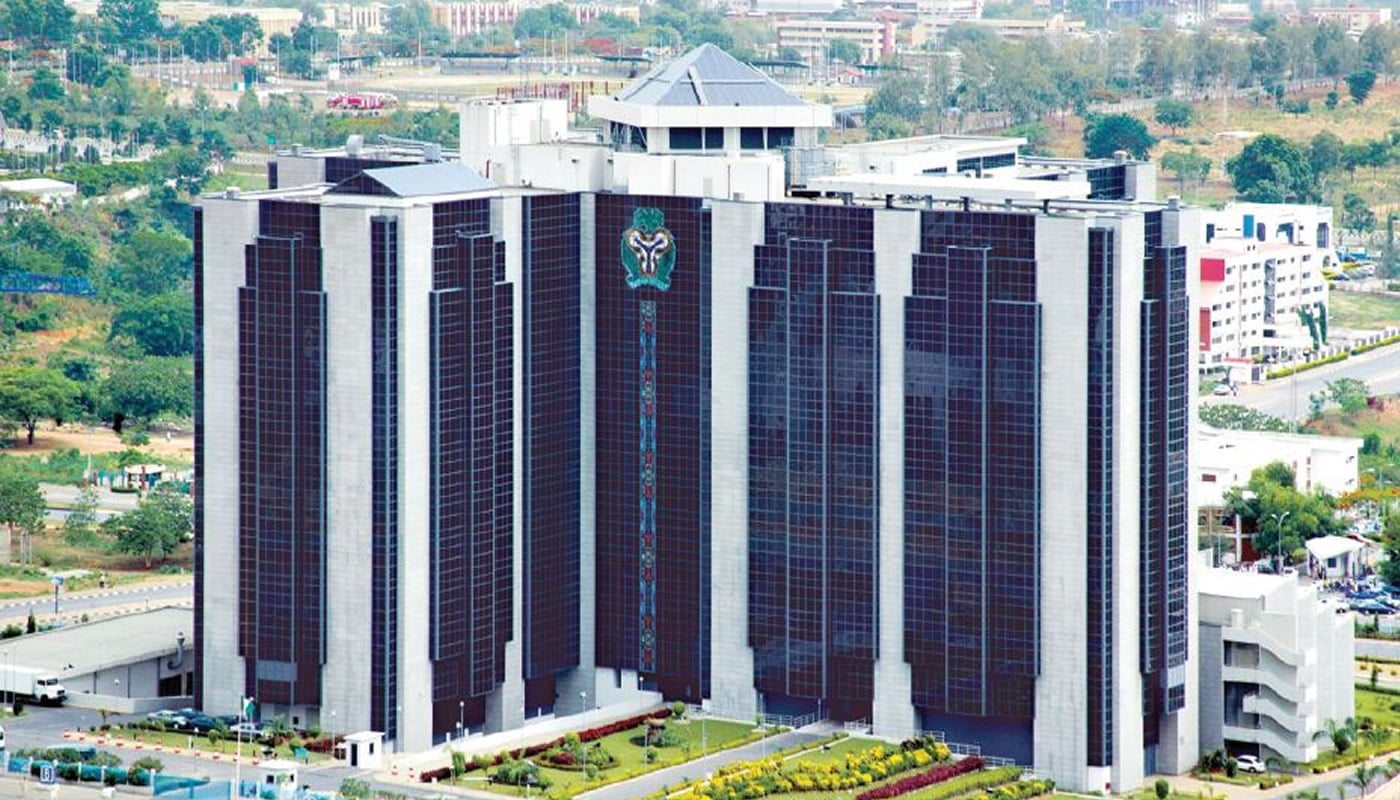
33 Nigerian Banks Raise N4.65tn in Recapitalization Drive
Get Plus234Feed on messaging apps
Same headlines, delivered where you already scroll.


