

Nigeria's Power Sector Reforms Face Major Challenges

The Nigerian electricity sector is experiencing significant reforms as 15 states have taken on regulatory authority following the Electricity Act 2023. This shift aims to decentralize the highly centralized system and enhance local governance in electricity supply.
The Nigerian Electricity Regulatory Commission (NERC) is facilitating this transition, which includes establishing state electricity regulatory bodies to oversee licensing, tariff setting, and consumer protection. However, analysts caution that the success of these reforms hinges on three critical factors: the technical capacity of state regulators, effective policy coordination, and maintaining consistent standards nationwide.
Currently, states face challenges due to a lack of skilled personnel and financial resources, which hampers their ability to manage regulatory functions effectively. Additionally, states are under fiscal constraints that may prevent them from meeting financial obligations necessary for infrastructure development.
Concerns about the sustainability of tariffs and the potential for increased political resistance to cost-reflective tariffs further complicate the situation, as highlighted by industry experts like Kola Adesina from Sahara Power Group.
Plus234Feed summary based on reporting from This Day. Read the original report below.
Read full article
Continue on This Day
Get the week in one email
Top stories, NPFL results, the naira — every Friday morning. Free, one email a week.
Related Stories
States Delay Electricity Market Takeover Under New Act
Nigeria's Power Sector: Learning from India's Reforms
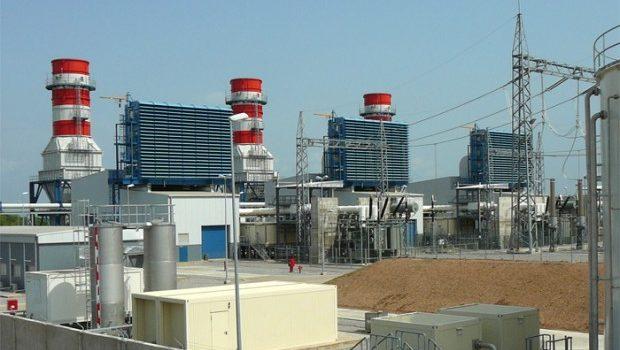
Experts Call for Reforms in Nigeria's Electricity Sector

Nigeria's Power Crisis: Tinubu's Pledge for Reform
Kaduna State Establishes Electricity Regulatory Commission
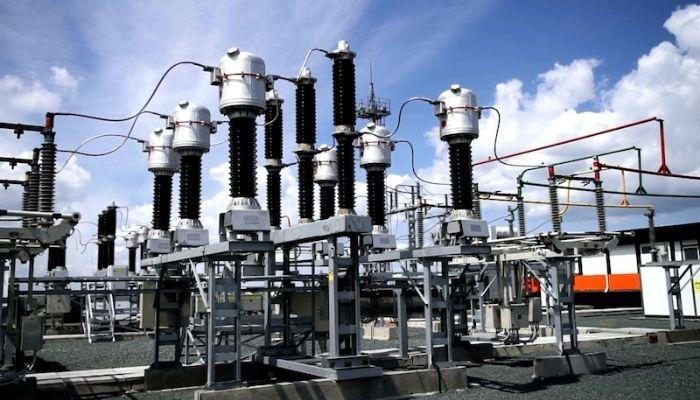
Nigeria's Power Sector Reforms Attract $2bn Investment
Get Plus234Feed on messaging apps
Same headlines, delivered where you already scroll.


