

Nigerian grid instability leads to zero output from three plants
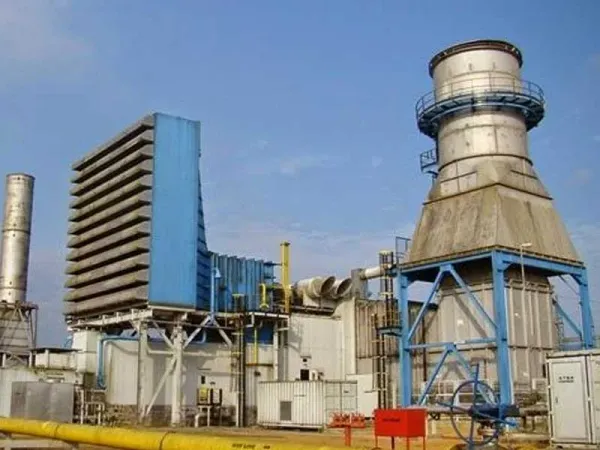
In September, three power plants in Nigeria (Alaoji_1, Ibom Power_1, and Rivers_1) generated no electricity, as reported by the Nigerian Electricity Regulatory Commission. These plants recorded zero megawatts in average hourly generation and a load factor of zero percent.
The national grid's average available capacity was 5,038 megawatts, while average hourly generation was 4,089 megawatts, resulting in a system-wide load factor of 81 percent. Compared to August 2026, available capacity increased by 5.89 percent, but average hourly generation declined by 0.30 percent, and the load factor fell by 5.04 percent.
Some plants operated at low levels, with Afam_1 generating 0.72 megawatts from an available capacity of 1.33 megawatts, and Geregu_2 producing 1 megawatt from 2 megawatts available. The national grid also operated outside prescribed frequency limits, with the average lower frequency at 49.43Hz and the upper frequency at 50.69Hz.
Voltage performance remained outside limits, indicating ongoing instability in the grid.
Plus234Feed summary based on reporting from Punch Newspapers. Read the original report below.
Read full article
Continue on Punch Newspapers
Get the week in one email
Top stories, NPFL results, the naira, every Friday morning. Free, one email a week.
Related Stories

Nigeria Faces Major Blackout as 16 Power Plants Fail
NERC Reports 86% Power Plant Capacity Utilization in August
NERC Reports 656MW Capacity Unused by Power Plants
NERC Reports 4,089MW Average Power Generation in September

NERC Reports 81% Power Generation Utilisation in September
Nigeria's Power Generation Hits 5,403.3MW in September 2026
Get Plus234Feed on messaging apps
Same headlines, delivered where you already scroll.