

Nigeria's Economic Inequality: Hardship Amidst Wealth

The Nigerian presidency asserts that Nigeria is not a poor country, but millions of citizens are experiencing significant hardship. Tope Fasua, the special adviser to the president on economic affairs, emphasizes that the core issue is inequality rather than poverty.
He argues that the persistent focus on poverty prevents addressing the real challenges faced by Nigerians. Despite Nigeria's wealth, as evidenced by a recent N4.6 trillion raised by banks and the significant contributions of companies like MTN, the benefits do not reach the average citizen.
Fasua notes that rising food prices, transportation costs, and rent are making basic necessities increasingly unaffordable. He highlights that the informal sector, which constitutes about 70% of the economy, complicates tax collection and revenue generation.
Fasua defends the federal government's ambitious 2026 budget, which allocates 50% of N32 trillion to capital projects, while dismissing concerns about borrowing. He concludes that until economic growth translates into real improvements in living conditions, the perception of national wealth will remain distant for many Nigerians.
Plus234Feed summary based on reporting from Federal Character. Read the original report below.
Read full article
Continue on Federal Character
Get the week in one email
Top stories, NPFL results, the naira — every Friday morning. Free, one email a week.
Related Stories
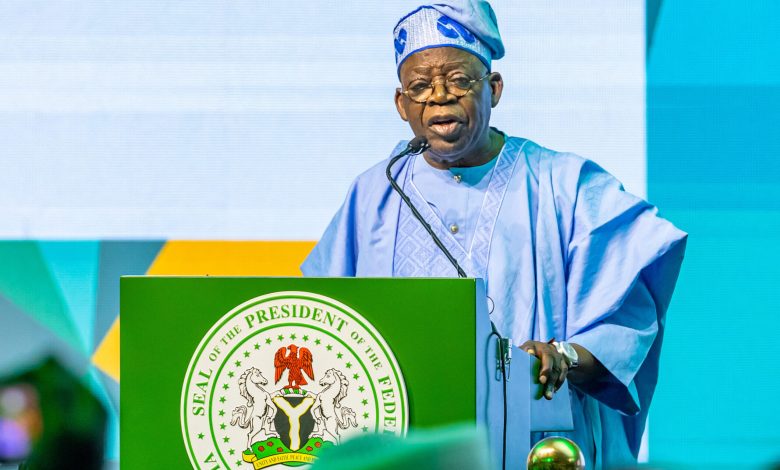
Nigeria's Presidency Addresses Inequality, Economic Reforms

Nigerian Leaders Thrive Amidst Masses' Struggles
ACF Warns Nigeria Remains Poverty Capital Amid Hardships

Afenifere Leader Blames Nigeria's Hardship on Bad Leadership
IMF Reports Rising Poverty Amid Nigeria's Economic Reforms
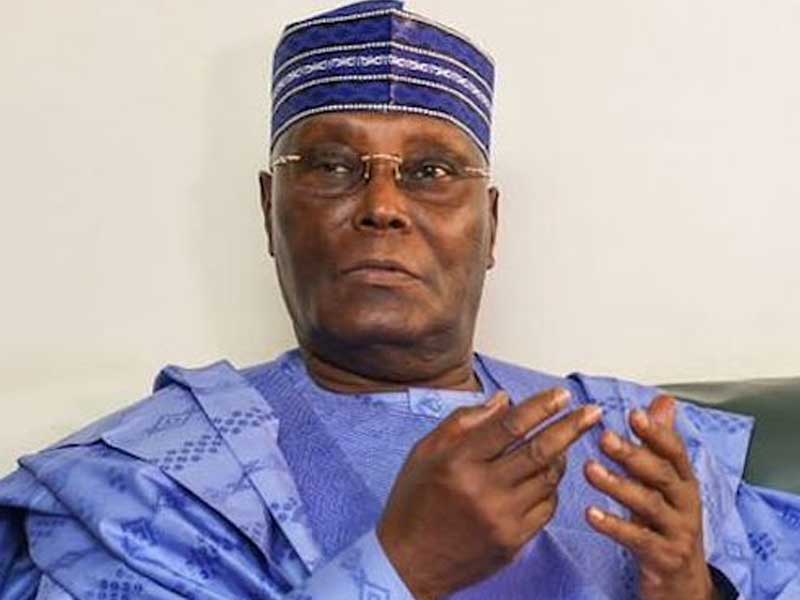
World Bank Report: 60% of Nigerians in Poverty, Atiku Says
Get Plus234Feed on messaging apps
Same headlines, delivered where you already scroll.


