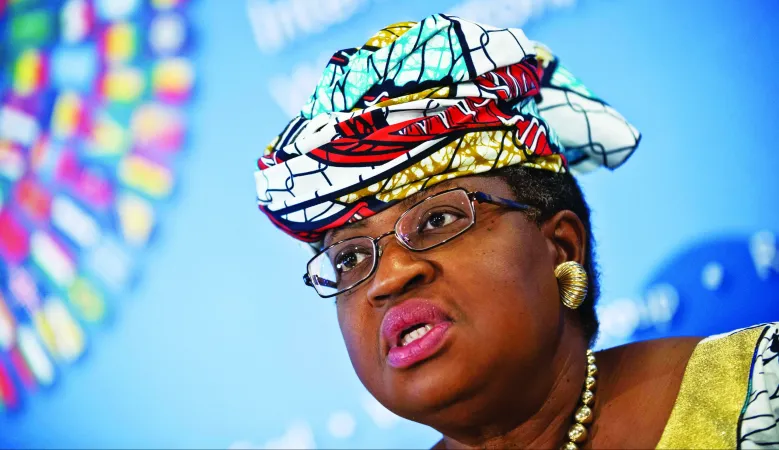

President Tinubu Advances Governance Restructuring in Nigeria
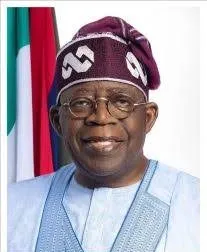
President Tinubu's administration is addressing the need to restructure Nigeria's governance framework, which currently does not align with the country's federal structure. The Nigerian Constitution recognizes three tiers of government (federal, state, and local) but governance has remained centralized.
This centralization has hindered local government effectiveness since the Ironsi administration and has limited the positive impacts of democratic governance since 1999. Tinubu's ideological commitment to restructuring is evident in his governance policies, including the establishment of the Ministry of Regional Development, which aims to promote socioeconomic and infrastructural progress across Nigeria's six geopolitical zones.
Additionally, six regional development commissions have been created to spearhead policy initiatives. The administration is also advancing the bill for state police and has signed the 2023 Electricity Act, which decentralizes electricity management, allowing states to control power generation.
Plus234Feed summary based on reporting from This Day. Read the original report below.
Read full article
Continue on This Day
Get the week in one email
Top stories, NPFL results, the naira, every Friday morning. Free, one email a week.
Related Stories

Tinubu's Policies Drive Economic Growth Amid Political Challenges
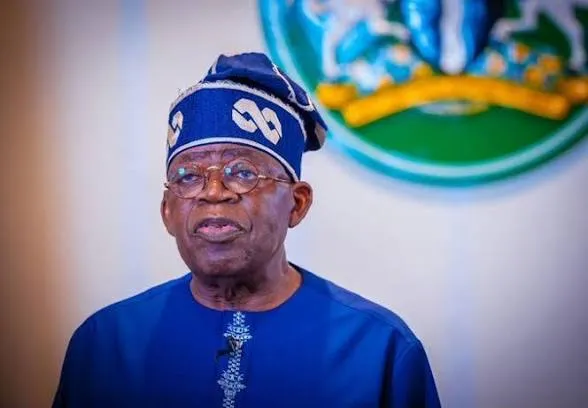
Tinubu Promotes Economic Reforms Ahead of 2027 Election
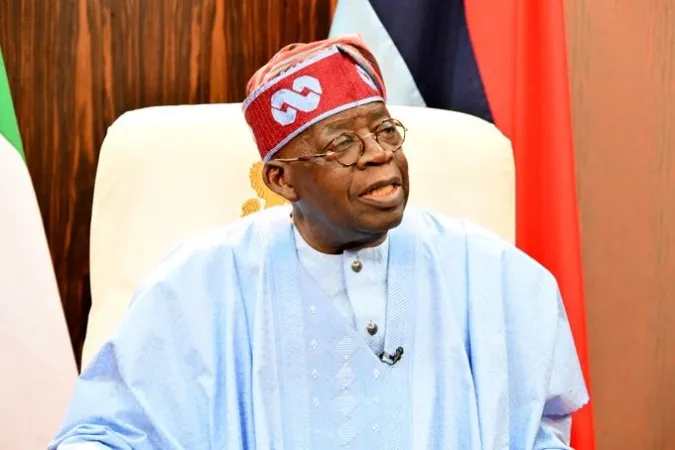
Tinubu Directs Fund Release for Regional Development Commissions

Tinubu Movement Launches Leadership to Support Reforms
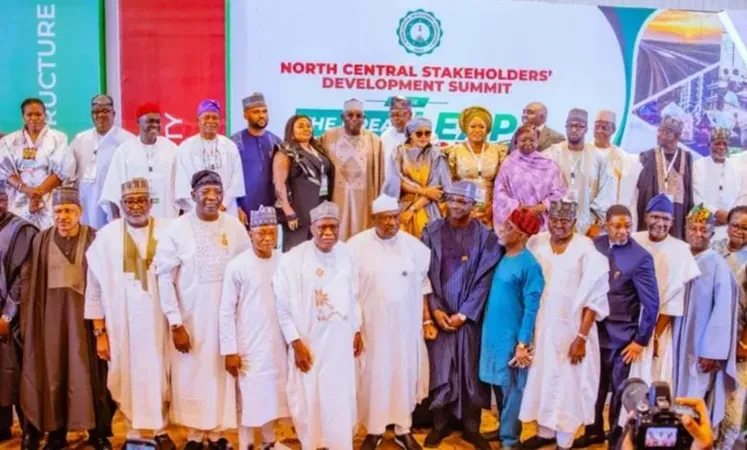
Tinubu Directs Immediate Release of Regional Development Funds

Tinubu's Economic Reforms Drive Nigeria's Growth Forward
Get Plus234Feed on messaging apps
Same headlines, delivered where you already scroll.