

Tinubu's Economic Reforms Drive Nigeria's Growth Forward

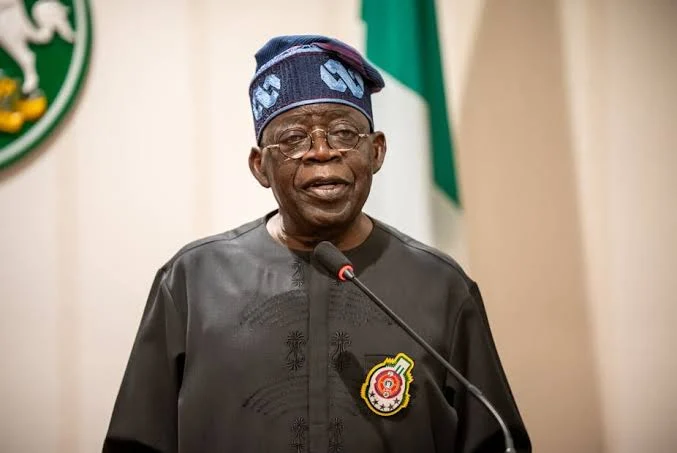
Three years into President Bola Ahmed Tinubu's administration, Nigeria has seen a shift from economic stagnation to clearer growth trajectories. Tinubu inherited an economy burdened by fuel subsidy costs, foreign exchange distortions, and declining investor confidence.
His administration's decisive actions, such as removing the petrol subsidy and unifying the foreign exchange market, have been recognized by international institutions like the IMF and World Bank for enhancing macroeconomic stability. Nigeria's real GDP growth reached 3.87 percent in 2025 and 4.43 percent year on year in Q2 2026, driven by sectors like ICT, finance, and agriculture.
Moody’s upgraded Nigeria’s credit outlook to positive in August 2026, reflecting stronger economic growth. Infrastructure development is also underway, with over 2,700 kilometers of roads under construction and significant investments in the power sector aimed at addressing longstanding issues.
Despite these advancements, household incomes remain under pressure, indicating ongoing challenges.
Plus234Feed summary based on reporting from Politics Nigeria. Read the original report below.
Read full article
Continue on Politics Nigeria
Enjoy this article?
Get the weekly Nigerian roundup — top stories, NPFL, naira. One email, Sunday morning.
Related Stories
Tinubu's Economic Reforms: Progress and Challenges
Tinubu's Economic Reforms Boost Business Confidence in Nigeria
Tinubu's Economic Reforms Boost Business Confidence
Tinubu's Reforms Fail to Enhance Nigerians' Living Standards
Tinubu Focuses on Investment and Job Creation in Economy
Tinubu Promotes Education and Infrastructure Reforms
Get Plus234Feed on messaging apps
Same headlines, delivered where you already scroll.


