

Tinubu's Administration Reforms Nigeria's Oil and Gas Sector
Under the administration of President Bola Ahmed Tinubu, Nigeria's approach to the oil and gas sector has shifted towards maximizing the value derived from its hydrocarbon resources. The country possesses over 37 billion barrels of proven crude oil reserves and more than 215 trillion cubic feet of natural gas.
The government aims to transform temporary oil windfalls into lasting macroeconomic stability through structural adjustments, including the removal of fuel subsidies and Naira-denominated crude transactions. Senator Heineken Lokpobiri, the Minister of State for Petroleum Resources (Oil), emphasized the importance of policy stability in restoring investor confidence, noting that active drilling rigs have increased from fewer than 10 to over 70.
He stated that achieving the target of three million barrels per day requires sustained drilling efforts. Additionally, the administration is prioritizing gas commercialization, with Minister of State for Petroleum Resources (Gas) Ekperikpe Ekpo highlighting the need for operational efficiency beyond legal reforms.
The Decade of Gas Initiative aims to shift gas usage from export to domestic applications, supporting various sectors.
Plus234Feed summary based on reporting from Blueprint. Read the original report below.
Read full article
Continue on Blueprint
Get the week in one email
Top stories, NPFL results, the naira, every Friday morning. Free, one email a week.
Related Stories

Tinubu's Reforms Transform Nigeria's Oil and Gas Sector
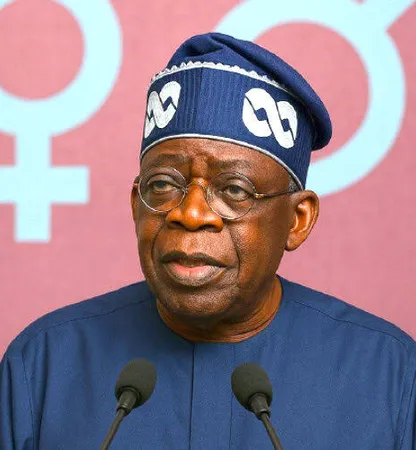
Tinubu Declares Reduced Oil Revenue Dependence in Nigeria
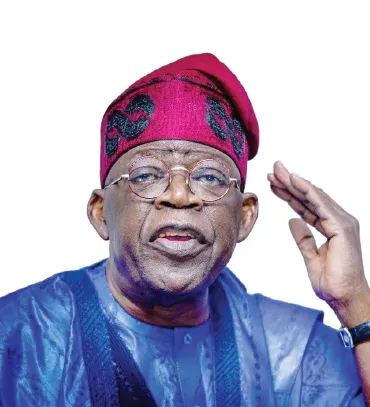
Tinubu Unveils Economic Reforms at Nigerian Summit
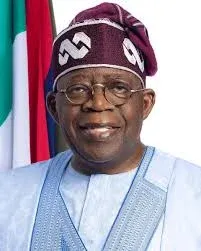
Tinubu Commits to Reviving Nigeria's National Refineries
Tinubu Declares Nigeria's Shift from Oil Dependency

President Tinubu's Economic Reforms Reshape Nigeria's Future
Get Plus234Feed on messaging apps
Same headlines, delivered where you already scroll.