

World Bank's Fuel Import Advice Criticized in Nigeria

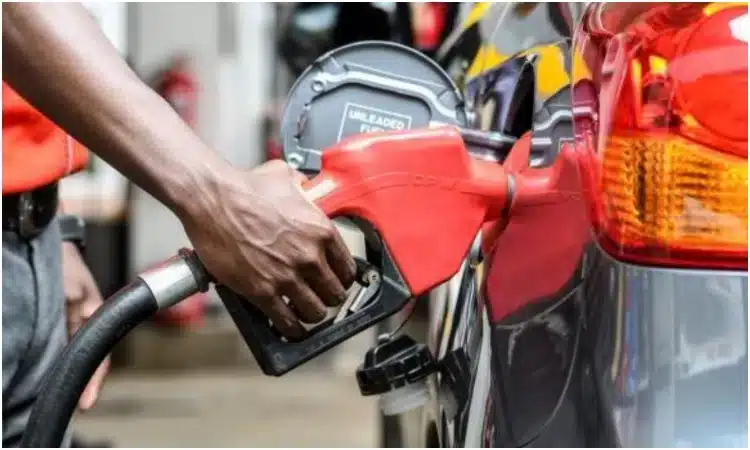
The World Bank has urged Nigeria to reopen its petrol import market, a recommendation that has been met with criticism as it is viewed as a regression rather than a reform. The article argues that this advice contradicts Nigeria's historical struggles with fuel imports, which have led to economic instability, inflation, and a drain on foreign reserves.
The Dangote Petroleum Refinery, which has begun operations, is positioned as a solution to Nigeria's energy challenges, significantly increasing domestic fuel supply and stabilizing prices below those of neighboring import-dependent African countries. The refinery's output is projected to rise from 50 million liters per month to around 70 million liters, enhancing Nigeria's capacity to export fuel.
The article emphasizes that reopening imports would exacerbate the naira's depreciation and inflation, undermining the strategic development of Nigeria's industrial assets. The World Bank's narrow focus on theoretical competition overlooks the broader implications for Nigeria's economy.
Plus234Feed summary based on reporting from This Day. Read the original report below.
Read full article
Continue on This Day
Get the week in one email
Top stories, NPFL results, the naira — every Friday morning. Free, one email a week.
Related Stories

Nigeria's Fuel Import Reopening: A Step Backward
World Bank's Fuel Import Call Divides Nigerian Stakeholders
Energy Expert Critiques World Bank's Fuel Import Advice
World Bank Clarifies Fuel Import Recommendation for Nigeria
Nigerian Experts Reject World Bank's Fuel Import Advice
Economist Critiques World Bank's Fuel Import Advice for Nigeria
Get Plus234Feed on messaging apps
Same headlines, delivered where you already scroll.


