

Nigerians Increasingly Rely on Loans for Daily Needs

The 2026 Access to Financial Services in Nigeria (A2F) Survey by Enhancing Financial Inclusion and Advancement (EFInA) reveals a significant shift in borrowing patterns among Nigerians. The proportion of formal borrowers using loans for coping and consumption purposes rose from 31.7% in 2023 to 40.8% in 2026, marking an increase of 9.1 percentage points.
In contrast, borrowing for productive enterprises decreased from 40.2% to 34.3%, and loans for household assets fell from 25.2% to 23.4%. Despite a rise in formal financial inclusion from 64% of adults in 2023 to 73% in 2026, only 25% of Nigerian adults are classified as financially healthy.
Among those with formal credit, 45.8% reported repayment stress, and 83.8% faced ongoing financial or welfare stress. The survey also indicated that 70.1% of formally included adults experience financial distress, highlighting that access to formal financial services does not equate to financial security.
Plus234Feed summary based on reporting from This Day. Read the original report below.
Read full article
Continue on This Day
Get the week in one email
Top stories, NPFL results, the naira — every Friday morning. Free, one email a week.
Related Stories
EFInA Survey Reveals Shift to Consumption Borrowing in Nigeria

EFInA Survey Reveals Rising Borrowing for Daily Needs

CBN Reports Decline in Nigerian Consumer Sentiment in 2026

CBN Survey Shows Nigerians Favor Food Spending Over Investments

Nigeria's Private Sector Credit Hits N83.43 Trillion
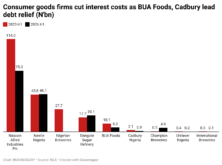
Nigerian Consumer Goods Firms Cut Borrowing Costs by 26%
Get Plus234Feed on messaging apps
Same headlines, delivered where you already scroll.


