

Nigeria's 2026 Electoral Act Signed to Enhance Democracy

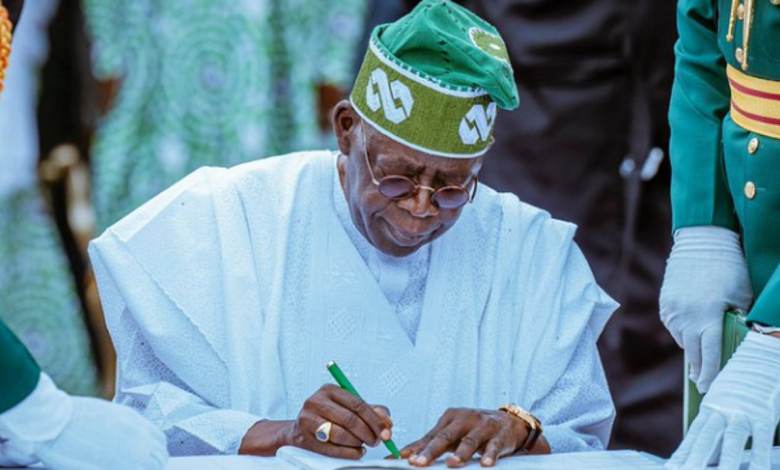
President Bola Tinubu signed the 2026 Electoral Bill into law, which aims to improve Nigeria's electoral processes despite its shortcomings. The law emphasizes the importance of human oversight in announcing final results, rather than relying solely on technology.
Concerns were raised about the capability of broadband technology and the potential for glitches in the manual transmission of results. The National Assembly, particularly the Senate led by Godswill Akpabio, has been involved in discussions about embracing technology to enhance electoral outcomes.
However, skepticism persists regarding the reliability of digital systems, with critics arguing that past experiences with technology in elections have led to dysfunction. The law is seen as a crucial step towards nurturing democracy in Nigeria, with hopes that it will lead to freer and fairer elections, despite the challenges of voter indifference and the need for citizen engagement in the electoral process.
Plus234Feed summary based on reporting from This Day. Read the original report below.
Read full article
Continue on This Day
Get the week in one email
Top stories, NPFL results, the naira — every Friday morning. Free, one email a week.
Related Stories
Tinubu Signs New Electoral Act 2026 Amid Protests
Major Changes in Nigeria's 2026 Electoral Act Explained

Tinubu Signs Electoral Act 2026, Sets 2027 Election Dates

Nigeria's New Electoral Act 2026 Enhances Voting Process
Tinubu Signs Electoral Act 2026 Ahead of 2027 Elections
Presidency Defends Electoral Act 2026 Against Opposition Claims
Get Plus234Feed on messaging apps
Same headlines, delivered where you already scroll.


