

Nigeria's New Electoral Act 2026 Enhances Voting Process

The Electoral Act 2026 represents a significant overhaul of Nigeria's electoral framework, designed to enhance the integrity and efficiency of the electoral process. It was enacted after a rigorous two-year parliamentary process involving extensive stakeholder engagement.
Key provisions include the mandatory electronic transmission of election results, which received approval from 55 out of 70 lawmakers, and the introduction of a bimodal voter accreditation system to verify voter authenticity. Additionally, the Act mandates the establishment of a dedicated fund for the Independent National Electoral Commission (INEC) to ensure financial autonomy and operational stability.
The Act also addresses cultural practices affecting voter turnout by allowing separate queues for male and female voters. Overall, the new regulations aim to reinforce public confidence in the electoral process and promote democratic governance in Nigeria.
Plus234Feed summary based on reporting from This Day. Read the original report below.
Read full article
Continue on This Day
Get the week in one email
Top stories, NPFL results, the naira — every Friday morning. Free, one email a week.
Related Stories
Major Changes in Nigeria's 2026 Electoral Act Explained

Nigeria's 2026 Electoral Act Signed to Enhance Democracy

Nigeria's National Assembly Amends Electoral Act for 2027

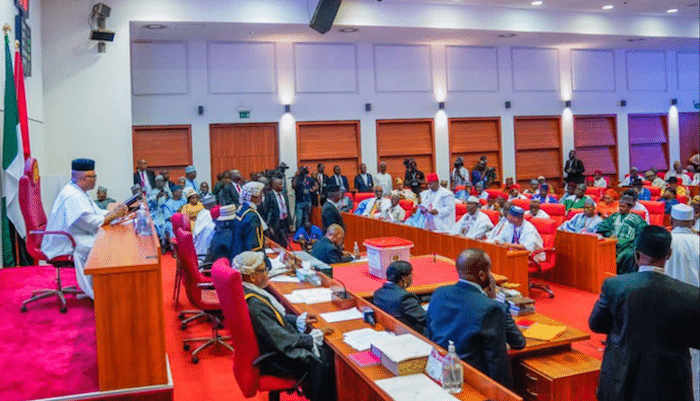
Nigerian Senate Passes Electoral Act 2026 to Enhance Election Efficiency

NASS Proposes Key Electoral Act Reforms Ahead of 2027
Nigerian Senate Passes Electoral Act Bill with Key Changes Ahead of 2027 Elections
Get Plus234Feed on messaging apps
Same headlines, delivered where you already scroll.


